
Beekeeping in Missouri
When you think of beekeeping in Missouri, what word makes you cringe? “Colony collapse disorder,” you might say. Beekeepers in the state, however, are concerned that the phenomenon is already affecting their state. Bees are being lost because of a number of factors, from pesticide use to the conversion of prairies, orchards, and vineyards.

Honey is a malady of bees
The varroa mite is the most common problem affecting beekeeping in Missouri. Initially detected in Hayti and West Plains in 1989, varroa has since spread across the state. If left untreated, a colony of bees will die within 36 months. The only long-term solution to varroosis is to purchase bees that are resistant to the mite.
In order to recognize a hive in a field, you must first recognize the species. Fortunately, beekeepers can easily spot these insects by their distinctive coloration and shapes. Lithurgopsis bees, for example, are black in color with thin white bands on their abdomens. Their large, slender jaws are rounded and end in a pair of teeth. Their active season lasts from April to June. They build their nests in preexisting insect nest tunnels, which are lined with wood and soil mixed with resin.
Bees collect nectar from flowers and store it in honeycombs. The honey bee colony can be disrupted by sudden deaths of worker bees. Infected queens will die and the colony will be unable to function without them. The hive itself is a structure consisting of two or four layers of horizontal cells, called “comb”, and a wooden frame.
Bees are threatened by Colony Collapse Disorder
The cause of Colony CCD is still largely unknown, but there are several theories. Researchers have suggested several causes. While it is not completely clear what’s causing CCD, they do know that it’s affecting worker bees. In many cases, the disorder affects how these bees navigate. Without worker bees, hives cannot sustain themselves. In some cases, the loss of worker bees is accompanied by a loss of honey and pollen. In some cases, a hive may still contain evidence of recent brood rearing, but the bees are dead or missing.
The decline in honeybee colonies in Missouri is one factor contributing to the occurrence of CCD. Some beekeepers have reported up to 90 percent losses in their hives. Some of the affected colonies had symptoms that contradicted known causes of honey bee death. Worse yet, the bee population had simply disappeared. The reasons behind CCD vary from pesticide poisoning to a lack of adequate nutrition.
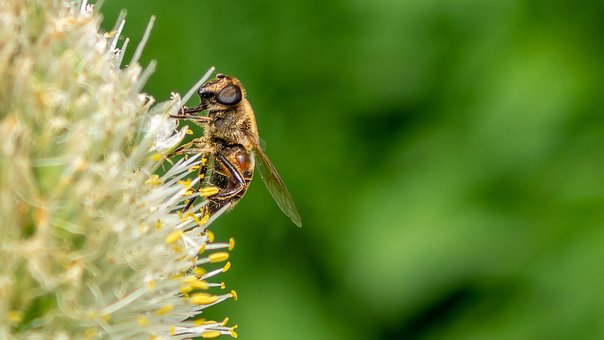
Bees need diverse forage
To keep bees healthy and happy, you should provide good, diverse forage. Aside from flowers, they also need water, pesticides, and plenty of nectar. Before getting started, you should read a beekeeping book. A good introductory text is “First Lessons in Beekeeping.”
A lack of forage can weaken the beehive in the Ozarks, where the summer dries up. The mid-summer drought can lead to bees going without nectar. To compensate, beekeepers must wait for rain to stop. While rain is generally good, it also washes away nectar from flowering plants. If the nectar is not available, bees will stay in their hives, eating their honey reserves.
In order to bees in the Ozarks, beekeepers must choose an area that has a variety of forage plants. In the Missouri Ozarks, there are few excellent forage plants, because most of the land is farmed or grazed. This means that the pollen in these fields is not very nutritious for the bees. A friend of mine moved several hives from the Midwest to his property, but soon realized that the hives were starving for food.
Despite these challenges, commercial beekeepers are largely responsible for the decline of pollinating species in the state. The loss of pollinator forage due to land-use changes is a major cause for declining bee health and productivity. Pollen is the sole source of protein for honey bee colonies, and the loss of plant diversity affects their overall health and productivity. This is why the USGS is collaborating with commercial beekeepers in the northern Great Plains to improve pollinator habitat.
Beekeeping supplies
Whether you’re looking for hives, beekeeping supplies or beekeeping tips, beekeeping in Missouri has been thriving for over a century, and the state’s Beekeepers Association is proud to support its members. Beekeeping supplies are sold at the Missouri Beekeepers Association, and they also offer packages of bees for purchase. Beekeepers can find everything they need at the association, including beekeeping books, packages, and beekeeping equipment.
If you’re a beginner, a good place to start is with a beekeeping kit. Many beekeeping supplies are sold individually or in kits, which contain everything you need to start keeping your own hives. Lappe’s Bee Supply offers beginner beekeeping kits, including the Honey Master kit, and includes painted Langstroth bee hives. It also sells mead-making kits and creamed honey flavorings. Decorative candle lids and wicks are also available.
Another great place to buy beekeeping supplies is Lappe’s Bee Supply and Honey Farm LLC in St. Louis. They have a variety of equipment and beekeeping supplies, and they have a new wax coated plastic foundation that resembles the comb of honeybees. The new foundation is made in the USA, and it features deeper cell interiors, so you’ll get more honey per frame. The new foundation is also compatible with other types of beehives, and Lappe’s Bee Supply and Honey Farm has been proud to distribute Premier Foundation in Missouri for over 20 years.

Beekeeping meetings
There are several beekeeping meetings held throughout the state, so finding a meeting that’s convenient for you is recommended. These meetings provide an excellent networking opportunity for beekeepers in the state. Not only will you be able to find a local beekeeping association, but you’ll also have the chance to network with other beekeepers in your area. In addition to meeting fellow beekeepers, you’ll have the opportunity to swap books.
Another meeting that features beekeeping is held at the Saint Louis Beekeepers’ October meeting. Fedor Lazutin, an author of Beekeeping in the Heartland, will discuss large horizontal hives, which are used extensively in Europe. He’ll also demonstrate his horizontal hives and cover several methods that can be applied to any hive model. He’ll discuss topics such as foundation vs. foundationless comb, and simplifying beekeeping for beginners with one-box horizontal hives.
Beekeeping in the Ozarks
Besides starting a backyard beekeeping business, you can also join a beekeeping association. The Beekeepers Association of the Ozarks was formed in 1974 to promote the common interest of beekeeping and the welfare of honey bees. Currently, the association has over 200 members and covers Greene County, Missouri. To join, simply click the link below and enter your contact information. Once you have signed up, you can begin to get the supplies you need to keep your hives and honey bees happy.
The lack of food and water can be a challenge, but there are ways to make winters in the Ozarks more bearable for the bees. In the late spring and summer, the area is full of flowers and other nectar, but in mid-summer, the bees have little food to eat. Beekeepers are forced to wait out rains to provide food. Luckily, rain is beneficial for beekeeping, but rain also washes away the nectar from flowering plants. That means the honey bees will stay in their hives and start to eat their stored honey.