
Bees are known for their ability to produce honey. But how do bees make honey? Honeybees are the only insects that produce food that humans consume. Honey is a sweet and viscous substance that is produced by bees from the nectar of flowers.
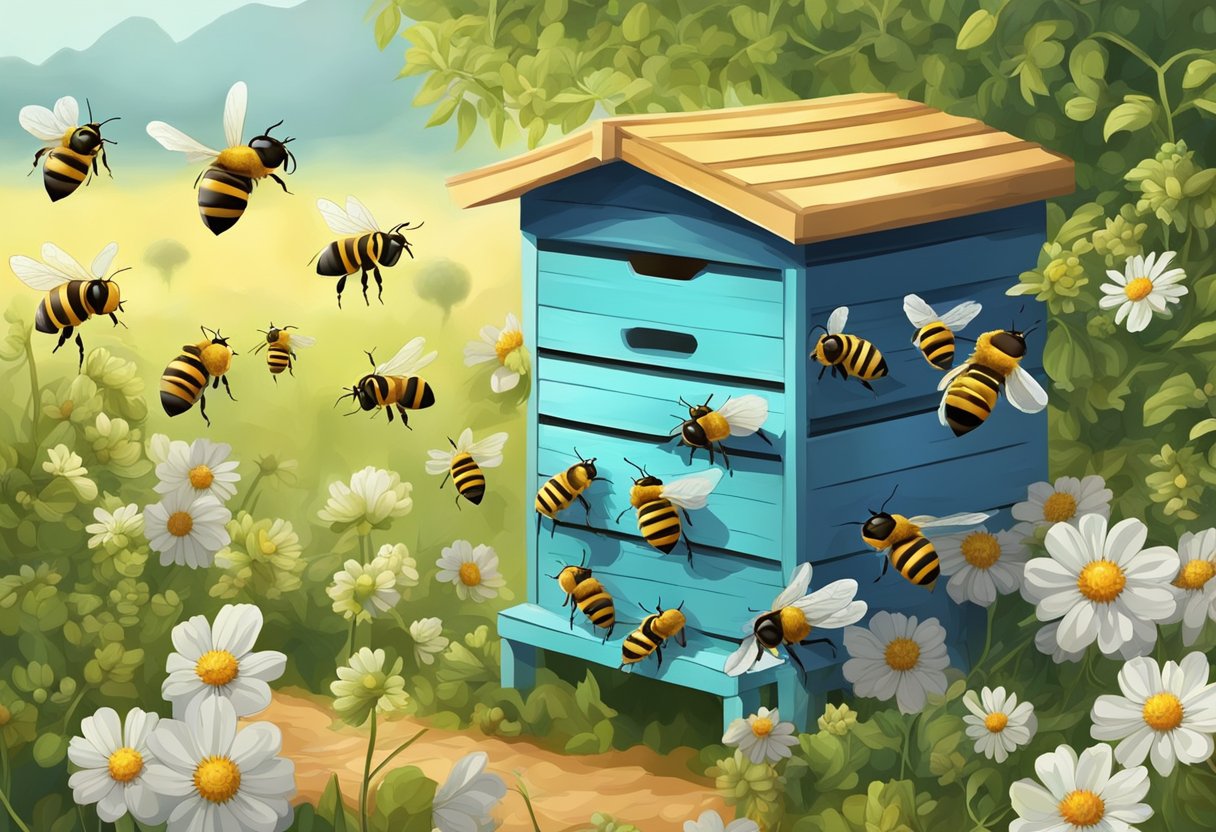
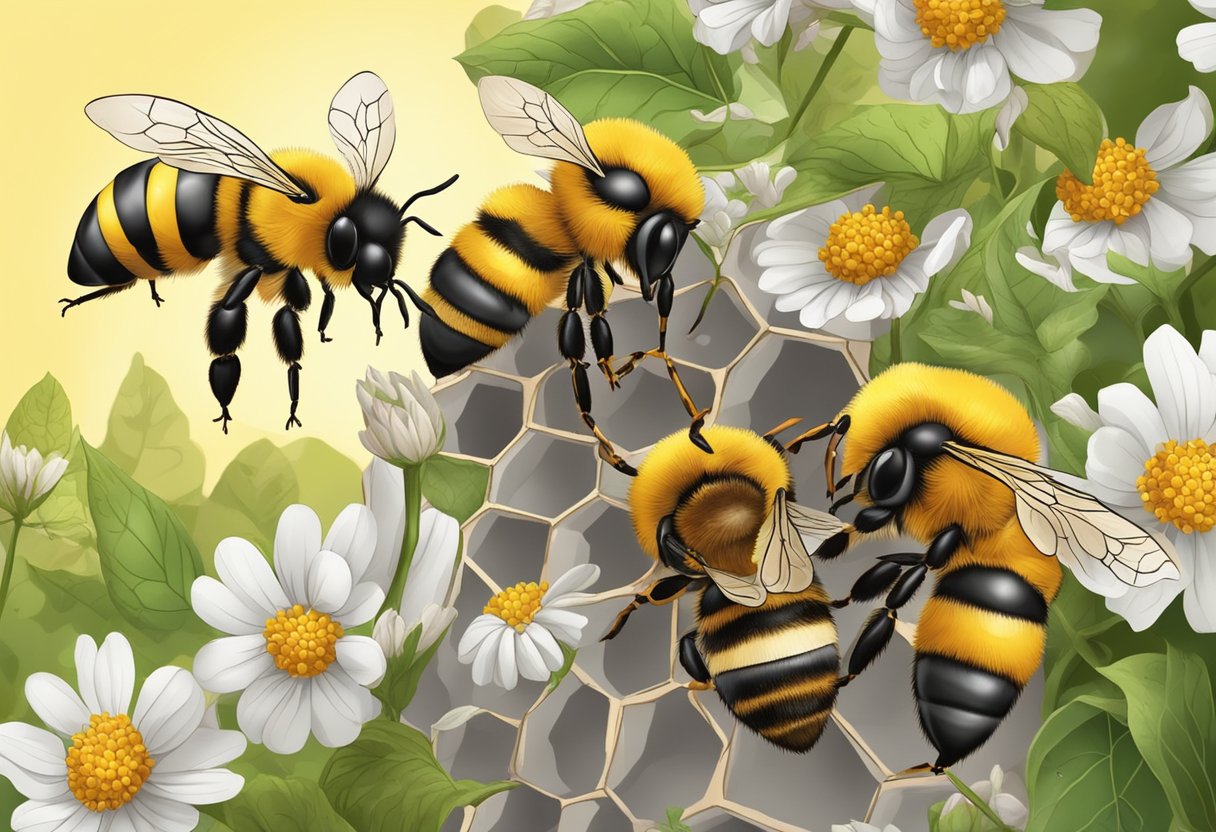
To make honey, bees collect nectar from flowers using their long, tube-like tongues. They store the nectar in their “honey stomachs” which are different from their digestive stomachs. On their way back to the hive, the bees add enzymes to the nectar to break down the complex sugars into simpler sugars. Once the bees reach the hive, they regurgitate the nectar into the mouths of other bees who repeat the process until the nectar becomes honey. The bees then store the honey in wax honeycombs and fan their wings to evaporate any remaining water, which thickens the honey.
Biology of Bees
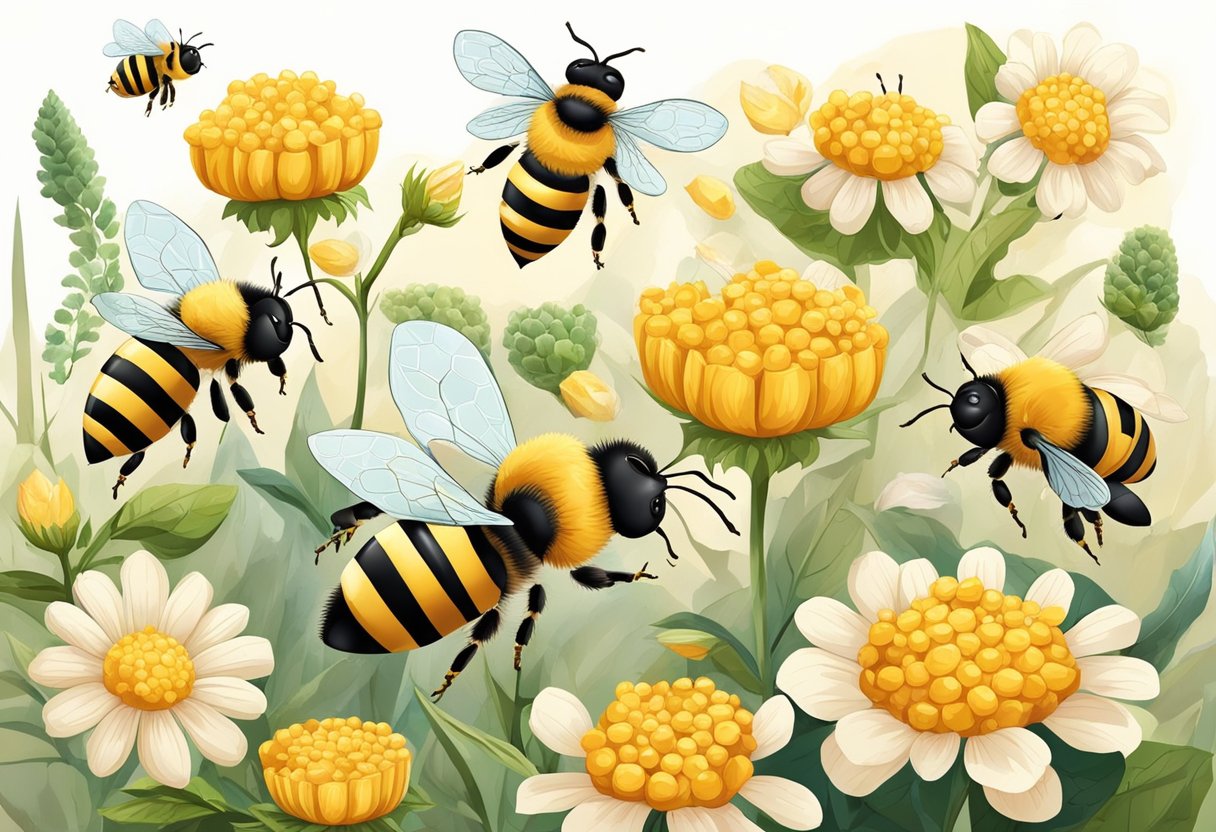
Bees are fascinating creatures that play a crucial role in our ecosystem. They are known for their ability to produce honey, which has been used for its medicinal properties for centuries. In this section, we will explore the biology of bees, including their anatomy, lifecycle, and roles within the hive.
Anatomy of a Honeybee
Honeybees are insects that belong to the family Apidae. They have three main body parts: the head, thorax, and abdomen. The head contains the bee’s eyes, antennae, and mouthparts. The thorax is where the bee’s wings and six legs are attached. The abdomen is where the bee’s digestive, reproductive, and respiratory systems are located.
Honeybees have two types of eyes: compound eyes and simple eyes. The compound eyes are used to detect movement and light, while the simple eyes are used to detect changes in light intensity. The bee’s antennae are used to detect chemicals in the environment, such as pheromones.
The Honeybee Lifecycle
Honeybees go through several stages of development before they become adult bees. The lifecycle of a honeybee begins when the queen bee lays an egg in a honeycomb cell. The egg hatches into a larva, which is fed a special substance called royal jelly. The larva then spins a cocoon around itself and transforms into a pupa. After a few weeks, the adult bee emerges from the cocoon.
There are three types of bees in a honeybee colony: the queen bee, worker bees, and drones. The queen bee is responsible for laying eggs and is the only fertile female in the colony. The worker bees are all female and are responsible for tasks such as collecting nectar and pollen, caring for the young, and building and maintaining the hive. The drones are male bees that do not have stingers and are responsible for mating with the queen bee.
Roles Within the Hive
Honeybees are social insects that live in large colonies. Within the hive, there are different roles for each bee. The queen bee is responsible for laying eggs, while the worker bees are responsible for tasks such as collecting nectar and pollen, caring for the young, and building and maintaining the hive.
Worker bees have a number of specialized body parts that allow them to carry out their tasks. For example, they have specialized hairs on their legs that allow them to collect pollen, and they have a special stomach that is used to store nectar. They also have a stinger that is used for defense.
In conclusion, bees are fascinating creatures that play a crucial role in our ecosystem. Understanding their biology and behavior can help us appreciate the important work that they do, including producing honey.
Honey Production
Nectar Harvesting
Honey production begins with the collection of nectar from flowers by worker bees. The bees use their long tongues to suck the nectar from the flowers and store it in their honey stomachs. The nectar is a sugary liquid that contains around 80% water and 20% sucrose, glucose, and fructose. Bees collect nectar from a variety of flowers, and the type of nectar collected affects the color and flavor of the honey produced.
Nectar to Honey Conversion
Once the bees have collected enough nectar, they return to the hive and regurgitate the nectar into the mouths of other worker bees. These bees chew the nectar and mix it with enzymes in their saliva, which breaks down the complex sugars in the nectar into simpler sugars. The bees then deposit the partially digested nectar into the honeycomb cells. The bees fan their wings to evaporate the water from the nectar, which thickens it into honey. This process also increases the sugar concentration and lowers the pH of the honey, making it inhospitable to bacteria.
Honey Storage and Maturation
Once the honey is thickened, the bees cap the honeycomb cells with wax to seal in the honey. The honey is stored in the honeycomb cells until it is needed by the colony. During storage, the honey continues to mature and develop its flavor. The enzymes in the bees’ saliva break down the remaining sucrose into glucose and fructose, which makes the honey sweeter and more stable. The honey can be stored for years without spoiling due to its low moisture content and high sugar concentration.
In summary, honey production is a complex process that involves the collection of nectar, its conversion into honey, and the storage and maturation of the honey. Bees play a vital role in this process, and the type of nectar collected affects the color and flavor of the honey produced.
Types of Honey
Honey is a natural sweetener that has been enjoyed by humans for thousands of years. It is produced by bees from the nectar of flowers, which they collect and store in their hives. There are several types of honey available, each with its own unique characteristics.
Varieties Based on Floral Source
Honey can be classified based on the type of flower that the bees collected nectar from. For example, clover honey is made from the nectar of clover flowers, while orange blossom honey is made from the nectar of orange blossoms. The flavor, color, and aroma of honey can vary depending on the type of flower used to produce it. Some popular types of honey based on floral source include acacia, lavender, and eucalyptus.
Raw vs. Processed Honey
Raw honey is honey that has not been processed or heated. It is often cloudy and may contain small particles of beeswax, pollen, and propolis. Raw honey is believed to have more health benefits than processed honey because it contains more enzymes, antioxidants, and other nutrients. Processed honey, on the other hand, has been heated and filtered to remove impurities and improve its appearance. Some people prefer processed honey because it is smoother and easier to spread.
Honey Color and Flavor Profiles
Honey can range in color from light yellow to dark brown, depending on the type of flower used to produce it. Light-colored honey tends to be milder in flavor, while darker honey has a stronger, more robust flavor. Honey flavor profiles can also vary depending on the type of flower used to produce it. For example, clover honey has a mild, sweet flavor, while buckwheat honey has a strong, earthy flavor.
In conclusion, honey is a versatile and delicious natural sweetener that comes in many different varieties. By understanding the different types of honey available, consumers can choose the one that best suits their taste preferences and nutritional needs.
Benefits of Honey
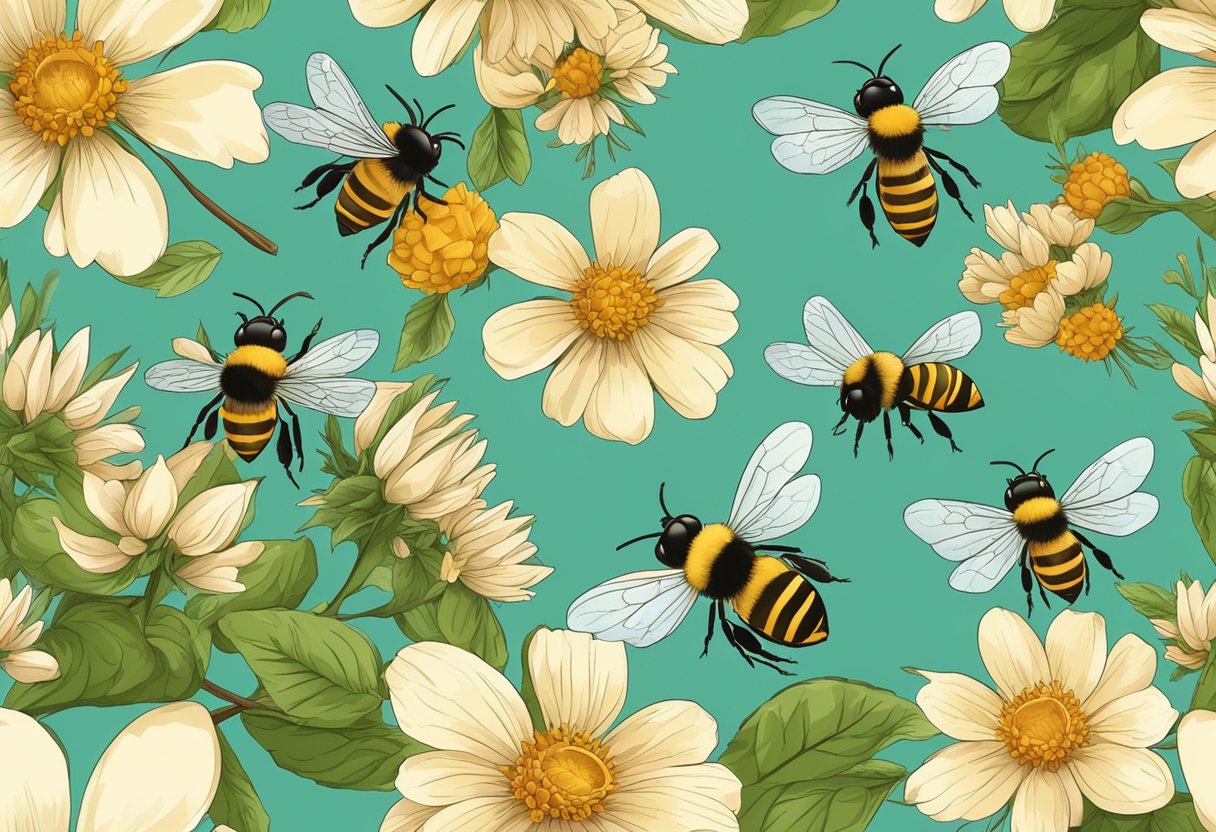
Honey is a natural sweetener produced by bees from the nectar of flowers. It has been used for centuries as a food, medicine, and skincare product. Honey is not only delicious but also has several health benefits.
Nutritional Value
Honey is a rich source of carbohydrates, including fructose, glucose, and sucrose. It also contains small amounts of vitamins and minerals, such as vitamin C, calcium, and iron. Honey is a natural energy booster and can be used as a substitute for sugar in many recipes.
Medicinal Properties
Honey has been used for its medicinal properties for centuries. It has antibacterial and anti-inflammatory properties, making it an effective treatment for wounds and burns. Honey can also help soothe a sore throat and cough. It has been shown to be effective in treating coughs in children, and may be a natural alternative to over-the-counter cough medicine.
Uses in Skincare
Honey is a natural humectant, which means it helps to retain moisture in the skin. It also has antimicrobial properties, making it an effective treatment for acne and other skin conditions. Honey can be used as a face mask, hair conditioner, or added to bath water for a relaxing and moisturizing soak.
In conclusion, honey is not only a delicious natural sweetener, but it also has several health benefits. It is a rich source of carbohydrates, has medicinal properties, and can be used in skincare. Incorporating honey into your diet and skincare routine may help improve your overall health and wellbeing.
Beekeeping Practices
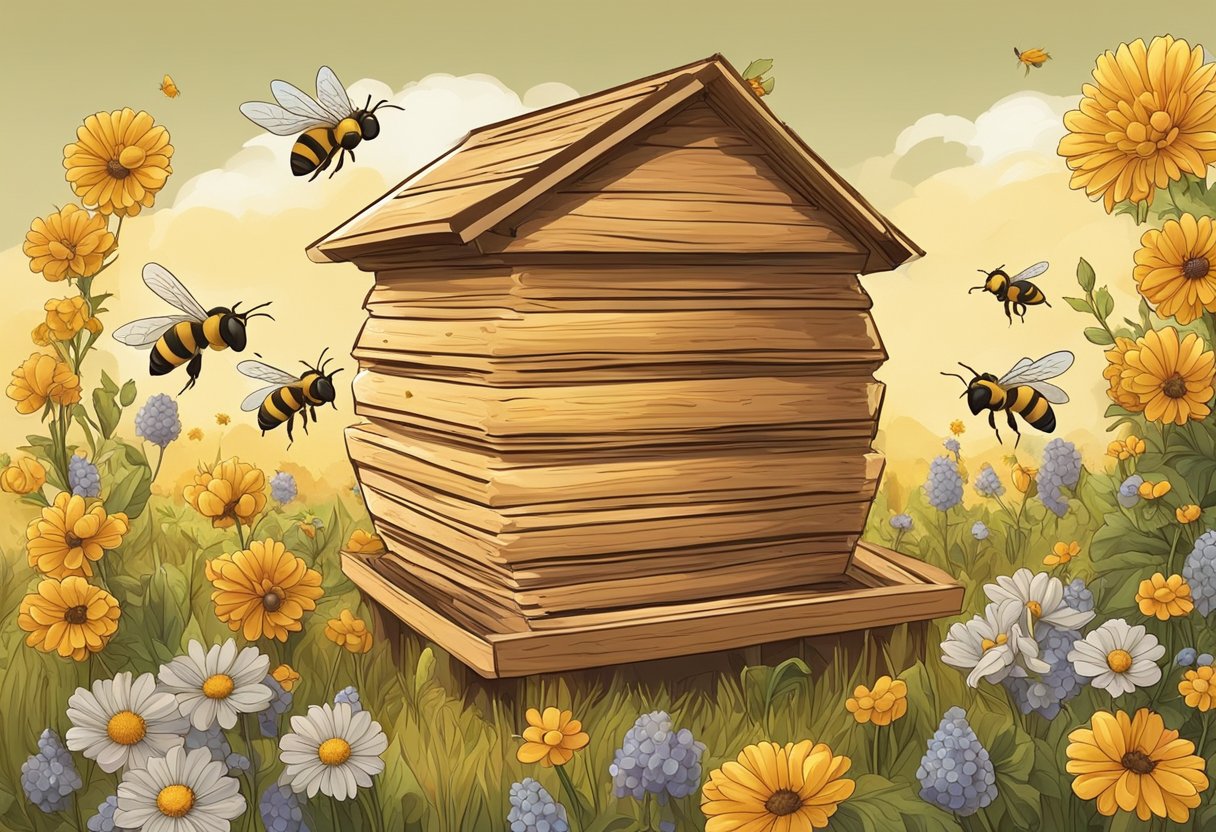
Beekeeping practices have evolved over time, with traditional methods giving way to modern ones. However, regardless of the method used, the goal remains the same: to ensure the health and productivity of the bee colony.
Traditional vs. Modern Methods
Traditional beekeeping practices involve the use of wooden hives, which are manually inspected and maintained. This method is still in use in some parts of the world, but it has largely been replaced by modern methods. Modern beekeeping practices involve the use of plastic hives, which are easier to maintain and inspect. These hives are also more durable and less prone to damage from pests and weather.
Harvesting and Extraction
Harvesting honey is a delicate process that requires skill and care. Traditional methods involve smoking the bees to calm them down, then removing the honeycomb manually. Modern methods involve the use of an extractor, which removes the honey from the comb without damaging it. The extracted honey is then filtered to remove any impurities and bottled for sale.
Sustainable Beekeeping
Sustainable beekeeping practices are becoming increasingly popular as people become more aware of the importance of bees to the ecosystem. Sustainable beekeeping involves the use of natural methods to maintain the health and productivity of the bee colony. This includes the use of organic methods to control pests and diseases, as well as the use of natural habitats to provide food and shelter for the bees.
In conclusion, the beekeeping practices used can vary depending on the region and the beekeeper’s preference. However, regardless of the method used, the goal remains the same: to ensure the health and productivity of the bee colony.
Threats to Bees
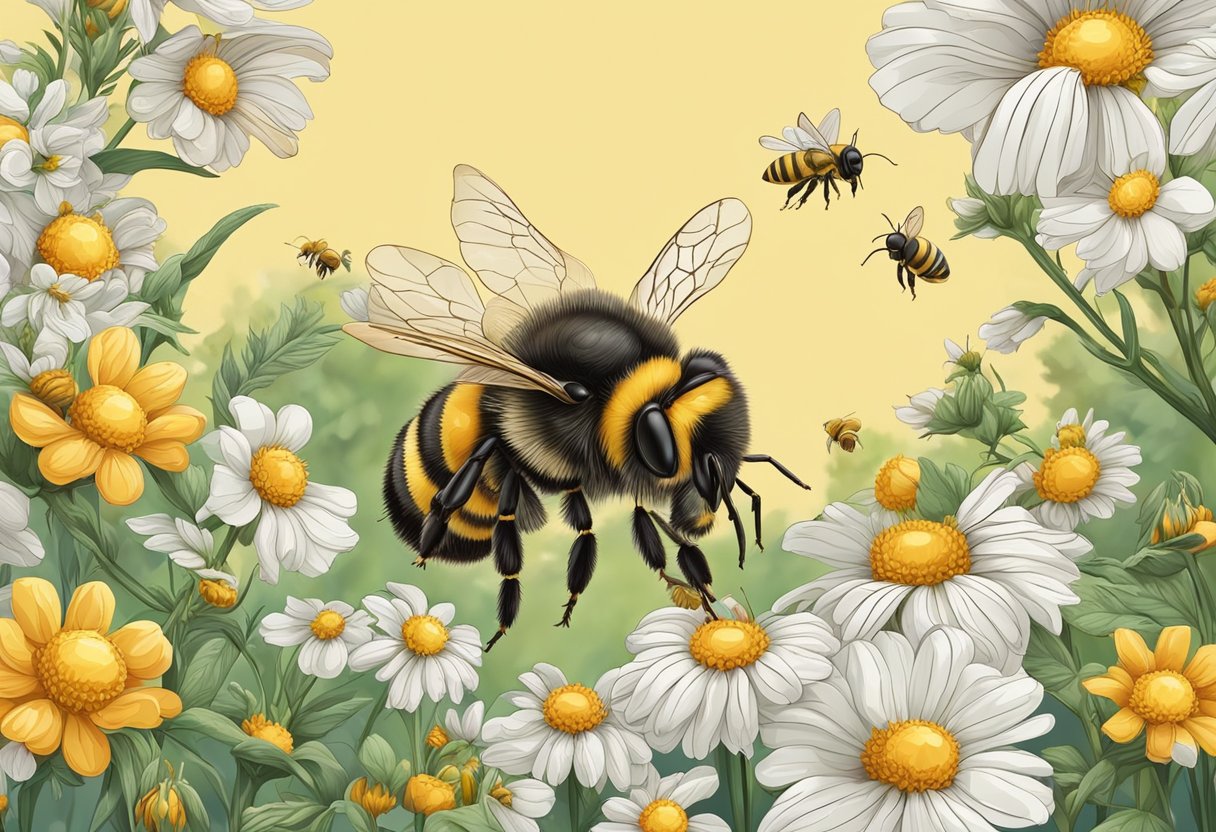
Bees play a crucial role in the ecosystem, and their importance cannot be overstated. However, bees face several threats that put their survival at risk. In this section, we will discuss some of the most significant threats to bees.
Pesticides and Chemicals
One of the most significant threats to bees is the use of pesticides and chemicals. These substances are used to control pests and diseases, but they can also harm bees. Pesticides can kill bees directly, or they can impair their ability to navigate and forage for food. In addition, pesticides can contaminate the nectar and pollen that bees collect, which can lead to long-term health problems.
Habitat Loss
Habitat loss is another significant threat to bees. Bees require a diverse range of plants to survive, and as more land is developed for agriculture and urbanization, bee habitats are destroyed. In addition, the use of monoculture farming practices has led to a decrease in the variety of plants available for bees to feed on. This lack of diversity can lead to malnutrition and other health problems.
Climate Change Impact
Climate change is also a significant threat to bees. Rising temperatures and changing weather patterns can affect the timing of plant blooms, which can disrupt the timing of bee foraging. In addition, climate change can lead to more extreme weather events, such as droughts and floods, which can destroy bee habitats and reduce the availability of food sources.
In conclusion, bees face several significant threats that put their survival at risk. Pesticides and chemicals, habitat loss, and climate change are just a few of the challenges that bees must overcome to survive. It is essential that we take steps to protect bees and their habitats to ensure that they continue to play their crucial role in the ecosystem.
Conservation Efforts
Protecting Bee Habitats
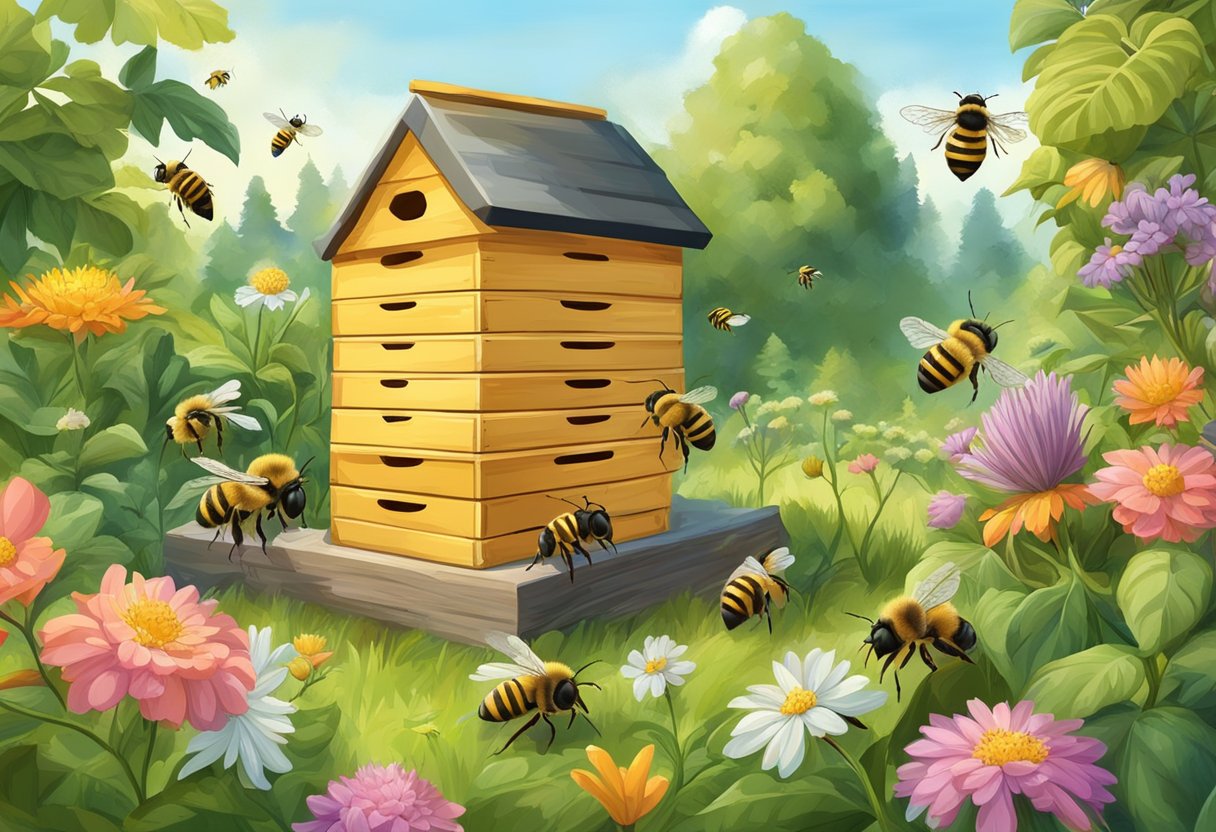
Protecting bee habitats is crucial to ensuring the survival of bees and their ability to produce honey. Bees require a variety of plants to gather nectar and pollen from, and they need safe and healthy environments to build their hives. Unfortunately, habitat loss due to urbanization, agriculture, and other human activities is one of the biggest threats to bee populations.
To combat this issue, many organizations are working to protect and restore bee habitats. This includes planting bee-friendly gardens and wildflowers, promoting sustainable agriculture practices, and preserving natural areas. By supporting these efforts, individuals and communities can help create safe and healthy environments for bees to thrive in.
Promoting Biodiversity
Promoting biodiversity is another important aspect of bee conservation. Bees rely on a diverse range of plant species to gather nectar and pollen from, and they play a crucial role in pollinating many different types of plants. Unfortunately, monoculture farming practices and the use of pesticides have led to a decline in plant diversity, which in turn affects bee populations.
To promote biodiversity, individuals and organizations can support sustainable agriculture practices that prioritize crop rotation, cover cropping, and other methods that help maintain healthy soil and diverse plant populations. Additionally, supporting local farmers markets and buying organic produce can help reduce the use of harmful pesticides and support sustainable farming practices.
Supporting Local Beekeepers
Supporting local beekeepers is another important way to promote bee conservation and ensure the continued production of honey. Beekeepers play a crucial role in maintaining bee populations and providing them with safe and healthy environments to thrive in. By purchasing honey and other bee products from local beekeepers, individuals can support these efforts and help ensure the future of beekeeping.
Additionally, individuals can learn more about beekeeping and even start their own hives. This not only helps support bee populations, but also provides individuals with a unique and rewarding hobby. By working together to protect and support bees, we can help ensure their continued survival and the production of delicious honey for generations to come.
Frequently Asked Questions
What is the process by which bees convert nectar into honey?
Bees collect nectar from flowers using their long tongues, which they store in their honey stomachs. The nectar mixes with enzymes in the bees’ stomachs, which breaks down the complex sugars in the nectar into simpler sugars. Once the bees return to the hive, they regurgitate the nectar and pass it from bee to bee, adding more enzymes along the way. This process helps to evaporate the water content of the nectar, which eventually becomes honey. The bees then store the honey in honeycomb cells and seal it with wax.
Can you explain the role of pollen in honey production by bees?
Pollen is an essential component of the honey-making process. Bees collect pollen from flowers and mix it with nectar and enzymes to create “bee bread.” This mixture is used as food for the developing larvae. Pollen also contains essential nutrients that bees require to stay healthy. Pollen grains can also be found in small amounts in honey, which adds to its nutritional value.
What purpose does honey serve for bees in their hives?
Honey serves as a source of food for bees during the winter months when flowers are not in bloom. Bees consume honey to generate body heat and maintain their energy levels. Honey also has antimicrobial properties that help to keep the hive clean and free from harmful bacteria and fungi.
How do bees gather nectar and produce honey in natural environments?
In natural environments, bees gather nectar from flowers using their long tongues and store it in their honey stomachs. They then fly back to the hive and regurgitate the nectar into the honeycomb cells. The bees fan their wings to help evaporate the water content of the nectar, which eventually becomes honey. Bees also use propolis, a sticky substance made from tree resin, to seal the honeycomb cells and protect the honey from bacteria and fungi.
Are all types of honey produced exclusively by bees?
No, not all types of honey are produced exclusively by bees. Some types of honey, such as honeydew honey, are produced by insects such as aphids and scale insects. These insects excrete a sugary substance that is collected by bees and turned into honey.
What methods do humans use to collect honey from bee hives?
Humans use a variety of methods to collect honey from bee hives, including smoking the bees to calm them down, removing the honeycomb frames from the hive, and using a centrifuge to extract the honey from the comb. Beekeepers must be careful not to harm the bees or damage the hive during the honey collection process.
Conclusion
In conclusion, the journey from flower to hive to our homes highlights the remarkable abilities of bees, showcasing nature’s incredible efficiency and balance. As we’ve explored, bees are not just producers of honey; they are vital contributors to our ecosystem, playing a crucial role in pollination, which is essential for the production of many fruits and vegetables. The production of honey by bees is an intricate and fascinating process, showcasing the harmony of nature and the importance of each creature in our ecosystem.
From the biology of bees, understanding their lifecycle and roles within the hive, to the meticulous process of honey production involving nectar harvesting, conversion, and storage, we gain a deeper appreciation for these hardworking insects. Moreover, the different types of honey, each with its unique characteristics based on floral sources, processing methods, and flavor profiles, add to the richness of our culinary experiences.
However, the survival of bees is threatened by various factors, including pesticides, habitat loss, and climate change. This calls for our urgent attention and action in conservation efforts, including protecting bee habitats, promoting biodiversity, and supporting local beekeeping practices. By doing so, we not only contribute to the well-being of bees but also to the sustainability of our own food sources and natural environments.
The intricate relationship between bees, honey, and human civilization is a testament to the interconnectedness of all life. As we continue to enjoy the sweet rewards of their labor, let us also commit to protecting and preserving these invaluable creatures for future generations. Let’s remember that every drop of honey is a result of the tireless efforts of bees, and in protecting them, we safeguard our own future.