
Honey soap is a natural and moisturizing soap that can be made easily at home. It is a wonderful alternative to commercial soaps that often contain harsh chemicals and synthetic fragrances. Making honey soap is a simple process that requires only a few ingredients and tools.
Natural soap is becoming increasingly popular as people are becoming more aware of the harmful chemicals in many commercial products. Honey soap is a great option for those looking for a natural soap that is gentle on the skin. Handmade soap is also a great way to customize your soap to your liking. You can choose your own scent and additives based on your skin type and personal preferences.
Making honey soap at home is a fun and rewarding DIY project. It is a great way to create a natural and healthy soap that is gentle on the skin. With a few simple ingredients and tools, anyone can make their own honey soap. In this article, we will explore different recipes and techniques for making honey soap at home.
The Benefits of Honey in Soap
Honey has been used for centuries as a natural remedy for various ailments, including skin conditions. When added to soap, honey provides several benefits that can improve the overall health and appearance of the skin. In this section, we will explore some of the benefits of honey in soap.
Natural Moisturizer
Honey is a natural humectant, which means it attracts and retains moisture. When used in soap, honey can help to hydrate the skin and keep it soft and supple. This is especially beneficial for people with dry or sensitive skin, as it can help to prevent flakiness and irritation.
Antimicrobial Properties
Honey has antimicrobial properties, which means it can help to kill bacteria and other microorganisms that can cause skin infections. This makes it an excellent ingredient for soap, as it can help to keep the skin clean and free from harmful bacteria.
Soothing for Sensitive Skin
Honey is also known for its soothing properties, which can help to calm and soothe sensitive or irritated skin. This makes it an excellent ingredient for people with conditions such as eczema or psoriasis, as it can help to reduce inflammation and redness.
Overall, the benefits of honey in soap are numerous and can help to improve the health and appearance of the skin. By adding honey to soap, you can create a natural and effective product that is gentle on the skin and provides a range of benefits.
Understanding Soap Making Basics
Lye Safety and Handling
Lye is a crucial ingredient in soap making, but it can also be dangerous if not handled properly. It is important to wear protective gear such as gloves, goggles, and long-sleeved clothing when handling lye. Lye should always be added to water, not the other way around, to avoid splashing or overheating. It is also important to mix lye in a well-ventilated area to avoid inhaling fumes.
The Role of Oils and Butters
The oils and butters used in soap making play a critical role in the final product. Different oils and butters have different properties that affect the soap’s texture, lather, and moisturizing abilities. Some common oils used in soap making include coconut oil, olive oil, and castor oil. Butters such as shea butter and cocoa butter are also popular choices. It is important to research and choose oils and butters that are suitable for the desired soap recipe.
Cold Process vs. Melt and Pour
There are two main methods of soap making: cold process and melt and pour. Cold process soap making involves mixing lye with oils and butters to create a chemical reaction that results in soap. Melt and pour soap making involves melting pre-made soap base and adding fragrance, color, and other additives. Cold process soap making allows for more customization and creativity, while melt and pour soap making is quicker and easier for beginners.
Overall, understanding the basics of soap making is crucial for creating successful soap recipes. By following proper safety precautions when handling lye, choosing suitable oils and butters, and deciding between cold process and melt and pour methods, soap makers can create high-quality soap products.
Gathering Your Soap Making Supplies
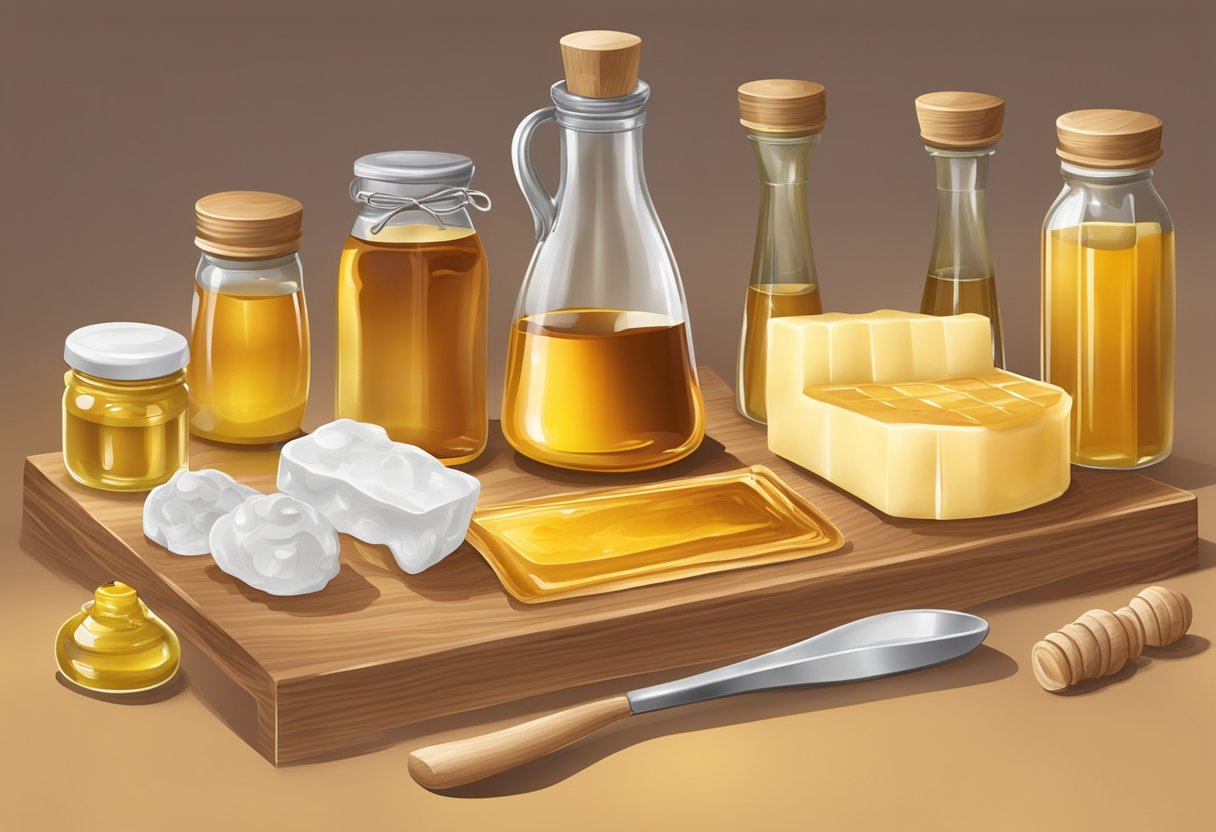
Before starting to make honey soap, it is important to gather all the necessary supplies. This section will cover the essential items required to make honey soap, including choosing the right oils, selecting a soap mold, and necessary tools and equipment.
Choosing the Right Oils
The oils used in soap making play an important role in determining the final product’s texture, hardness, and lather. Two common oils used in soap making are coconut oil and olive oil. Coconut oil is known for its cleansing properties, while olive oil is known for its moisturizing properties. It is recommended to use a combination of oils to achieve a well-balanced soap.
Selecting a Soap Mold
A soap mold is where the soap mixture is poured to take shape. The mold can be made from various materials such as silicone, plastic, or metal. It is important to choose a mold that is the right size for the amount of soap mixture being made. A silicone mold is a good option for beginners as it is easy to unmold the soap.
Necessary Tools and Equipment
In addition to oils and molds, there are a few necessary tools and equipment required to make honey soap. A blender can be used to mix the oils and lye, while a Pyrex measuring cup is useful for measuring ingredients accurately. Beeswax can also be added to the soap mixture for its moisturizing properties. Other tools such as a thermometer and safety goggles are also necessary to ensure safety during the soap making process.
By gathering all the necessary supplies beforehand, the soap making process can be smooth and efficient. With the right oils, mold, and equipment, anyone can make their own honey soap at home.
Creating Your Honey Soap Recipe
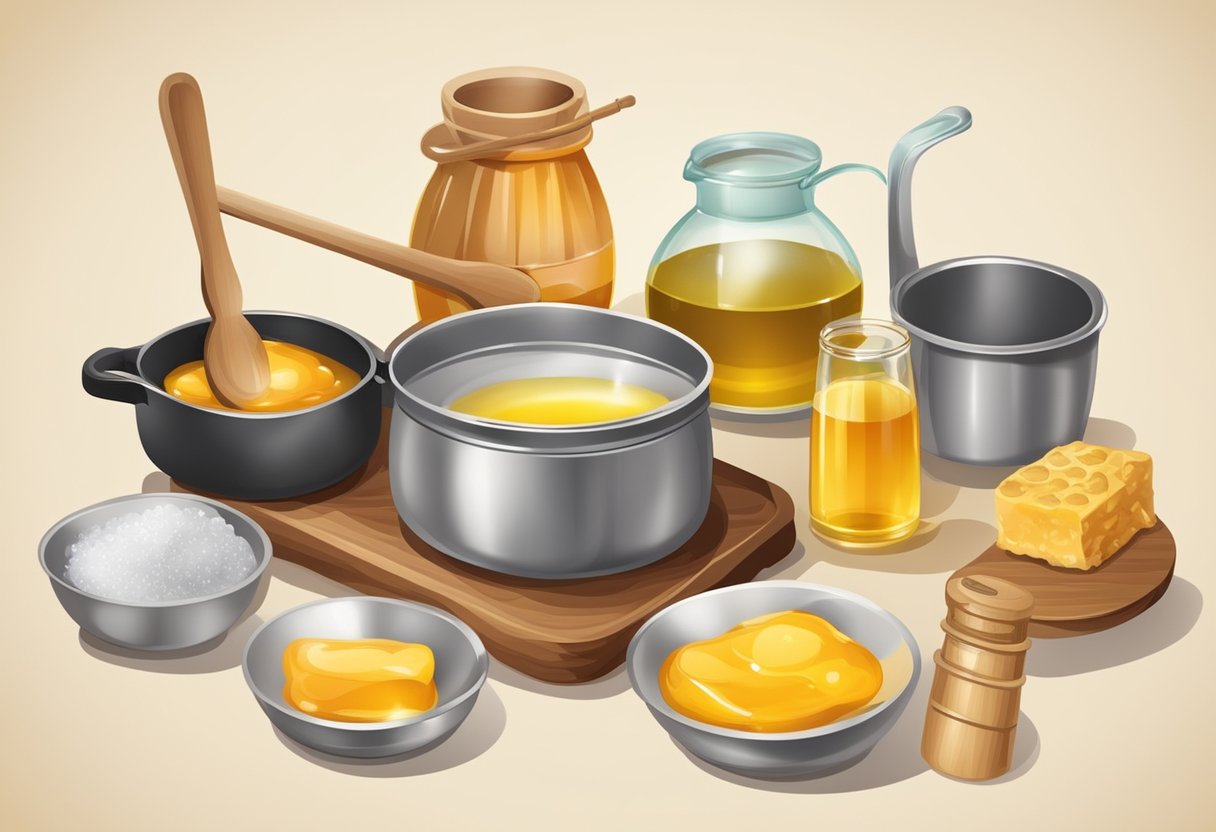
Making honey soap is a fun and rewarding experience. By creating your own recipe, you can customize the soap to suit your preferences and needs. Here are some important considerations to keep in mind when creating your honey soap recipe.
Calculating Lye and Water Amounts
Lye is a caustic substance that is necessary for the soap-making process. When combined with water and oils, it undergoes a chemical reaction called saponification, which creates soap. It is important to use the correct amount of lye to avoid making a soap that is too harsh or too soft. A lye calculator can be used to determine the correct amount of lye and water needed for your recipe based on the specific oils and additives you plan to use.
Incorporating Honey and Other Additives
Honey is a popular additive for soap because of its moisturizing properties. When incorporating honey into your soap recipe, it is important to use raw honey to ensure that it retains its beneficial properties. Honey can be added directly to the melted soap base or mixed with the oils before adding the lye and water. Other natural ingredients such as oatmeal, herbs, and essential oils can also be added to create a unique and beneficial soap.
Customizing with Essential Oils
Essential oils are a popular way to customize the scent of your soap. They can also provide additional benefits such as calming, energizing, or soothing properties. When using essential oils in your soap recipe, it is important to research their properties and dilution rates to ensure that they are used safely and effectively. Some popular essential oils for soap-making include lavender, peppermint, and tea tree oil.
By following these guidelines, you can create a honey soap recipe that is customized to your preferences and needs. Remember to always use caution when working with lye and other ingredients, and enjoy the process of creating your own natural soap.
The Soap Making Process
Making honey soap is a fun and rewarding activity that requires some basic knowledge of soap making. This section will guide you through the process of making honey soap, from mixing the ingredients to curing and cutting the soap.
Mixing and Reaching Trace
The first step in making honey soap is to mix the ingredients. This involves combining lye, water, oils, and honey in the right proportions. The lye and water mixture should be added to the oils slowly while stirring constantly until a light trace is achieved. A light trace is when the soap batter starts to thicken and leaves a trace on the surface when a spoon is lifted out of it.
Pouring and Insulating the Soap
Once the soap batter has reached a light trace, the soap can be poured into molds. The molds should be lined with parchment paper or coated with a non-stick spray to prevent the soap from sticking. After pouring the soap into the molds, it is important to insulate the soap to promote the gel phase. The gel phase is when the soap heats up and becomes translucent, resulting in a smoother and more consistent texture. To insulate the soap, cover the molds with a towel or blanket and let them sit for 24-48 hours.
Curing and Cutting the Soap
After the soap has been insulated for 24-48 hours, it can be removed from the molds and cut into bars. The bars should be left to cure for 4-6 weeks before use. During the curing process, the soap will harden and the excess water will evaporate, resulting in a harder and longer-lasting bar of soap.
Overall, making honey soap is a simple and enjoyable process that can be customized with different soap recipes and scents. By following the steps outlined in this section, anyone can make their own homemade soap that is gentle on the skin and free of harsh chemicals.
Finishing Touches and Presentation
Once the honey soap has been made, it’s time to think about the finishing touches and presentation. Here are some ideas to help make your honey soap stand out:
Decorative Techniques
Adding decorative touches to the soap can make it more visually appealing. One idea is to create a honeycomb pattern on the soap by using a honeycomb soap mold. Another option is to embed dried flowers or herbs into the soap. This not only adds visual interest but can also provide a pleasant scent.
Packaging for Gift Giving
Honey soap can make a great homemade gift idea. To make it even more special, consider packaging it in a unique way. One option is to wrap the soap in bubble wrap, which not only protects it but also adds texture. Another idea is to place the soap in a decorative box or bag.
Labeling and Branding
If you plan on selling your honey soap, it’s important to think about branding and labeling. Consider creating a logo or label that reflects the natural qualities of the soap. Be sure to include the ingredients and any relevant information, such as the fact that it’s handmade. If you plan on selling your soap on Instagram, be sure to take high-quality photos that showcase the soap’s natural beauty.
Overall, the finishing touches and presentation can make a big difference in how your honey soap is received. By adding decorative touches, packaging it in a unique way, and creating a strong brand, you can make your honey soap stand out from the rest.
Caring for Your Honey Soap
After making your own honey soap, it’s important to take good care of it to ensure it lasts as long as possible. Here are some tips on how to store and use your honey soap for best results.
Storage and Shelf Life
To ensure your honey soap lasts as long as possible, it’s important to store it properly. Keep your soap in a cool, dry place away from direct sunlight. This will help prevent the soap from melting or becoming too soft. A soap dish with drainage holes is a great option for storing your soap as it allows air to circulate around the bar.
Honey soap has a shelf life of approximately one year. After this time, the soap may start to lose its fragrance and potency. To extend the shelf life of your soap, consider storing it in an airtight container or wrapping it in plastic wrap.
Usage Tips for Best Results
Honey soap is known for its moisturizing properties, making it a great choice for those with dry or sensitive skin. To get the most out of your honey soap, use it regularly in your daily skincare routine. Lather the soap in your hands or on a washcloth and gently massage onto your skin. Rinse thoroughly with warm water and pat dry.
In addition to its moisturizing properties, honey soap is also rich in antioxidants and can help fight the signs of aging. To maximize these benefits, consider using honey soap as part of an anti-aging skincare routine. Follow up with a moisturizer to lock in hydration and keep your skin looking youthful.
Overall, caring for your honey soap is simple and straightforward. By storing it properly and using it regularly, you can enjoy the many benefits of honey soap for months to come.
Troubleshooting Common Soap Making Issues
Making honey soap can be a rewarding experience, but it’s not always without its challenges. Here are some common issues that soap makers may encounter and how to address them.
Dealing with Overheating
Overheating can cause soap to become discolored or develop bubbles on the surface. To prevent this, it’s important to monitor the temperature of the soap mixture. If the soap starts to overheat, it’s best to remove it from the heat source and allow it to cool slowly.
Another way to prevent overheating is to use a water bath. This involves placing the soap container in a larger container filled with water. This will help to regulate the temperature of the soap mixture and prevent it from overheating.
Preventing Separation and Ricing
Separation and ricing occur when the oils and lye do not mix properly. This can result in a lumpy or grainy texture in the soap. To prevent this, it’s important to mix the oils and lye thoroughly and slowly.
If separation or ricing does occur, it’s best to stop mixing and allow the mixture to cool slightly. Once it has cooled, try mixing again using a stick blender. If this doesn’t work, try adding a small amount of water to the mixture and mixing again.
Addressing Lather and Hardness Concerns
If the soap doesn’t lather well or is too soft, it may be due to the amount of sodium hydroxide used. It’s important to measure the sodium hydroxide carefully and accurately to ensure the soap has the right balance of lather and hardness.
If the soap is too soft, try adding more sodium hydroxide to the mixture. If the soap doesn’t lather well, try reducing the amount of sodium hydroxide used or adding more oils to the mixture.
By keeping these common issues in mind and taking steps to prevent and address them, soap makers can create high-quality honey soap that is both beautiful and functional.
Frequently Asked Questions
What are the essential ingredients needed for making honey soap?
The essential ingredients for making honey soap are glycerin soap base, honey, and fragrance or essential oils. Additionally, you may need colorants, molds, and other equipment depending on the recipe you choose.
Can you provide a simple melt and pour honey soap recipe?
Yes. Here is a simple melt and pour honey soap recipe:
- Chop your glycerin soap base into cubes.
- Microwave the glycerin for 30 seconds at a time, until it’s fully melted.
- While you’re waiting for the glycerin to melt, measure your honey.
- Add ½ teaspoon of real honey per pound of soap to the melted glycerin.
- Stir well to combine.
- Add fragrance or essential oils and colorants if desired.
- Pour the mixture into molds and let it cool and harden for several hours.
What are the benefits of adding honey to soap?
Honey is a natural humectant, which means it attracts and retains moisture. This makes honey soap great for dry or sensitive skin. Honey also has antibacterial properties, making it an excellent ingredient for acne-prone skin.
How do you create a honey and lavender soap blend?
To create a honey and lavender soap blend, you can add lavender essential oil to your honey soap recipe. Start with a small amount of essential oil, such as 10-15 drops per pound of soap, and adjust to your preference. You can also add dried lavender buds for a natural exfoliant and visual appeal.
Which type of honey is best suited for soap making?
Any type of honey can be used for soap making, but some popular options include raw honey, manuka honey, and buckwheat honey. Raw honey is unprocessed and retains its natural enzymes and antioxidants, while manuka honey has additional antibacterial properties. Buckwheat honey has a darker color and a stronger scent, making it a popular choice for soap making.
What is the process for making cold process honey soap?
The process for making cold process honey soap involves mixing lye and water, then adding oils and honey to create a soap batter. The batter is then poured into molds and left to cure for several weeks. The exact process and recipe will vary depending on the specific cold process honey soap recipe you choose. It’s important to follow safety precautions when working with lye, such as wearing gloves and working in a well-ventilated area.