
Maximizing Your Queen’s Potential: How to Boost Egg-Laying and Honey Production
Beekeeping is a fascinating and rewarding hobby, but it can also be challenging. One of the most important aspects of beekeeping is maximizing the potential of the queen bee. A healthy queen is vital to a strong and productive hive, as she is responsible for laying eggs and producing the majority of the hive’s population. In this article, we will discuss how to boost egg-laying and honey production in your hive by maximizing the potential of your queen.
Start with a Strong Queen
The first step in maximizing your queen’s potential is to start with a strong and healthy queen. When purchasing a queen bee, be sure to choose one from a reputable supplier who uses selective breeding and has a strong track record of producing healthy and productive queens.
It’s also important to provide your queen with a healthy and well-fed hive. Ensure that the hive is free of pests and disease, and that the bees have access to plenty of food sources. A healthy hive will provide the queen with the nutrients and support she needs to lay eggs and produce honey.
Queen Bee Egg Laying FAQs
How does the queen bee lay eggs?
The queen bee is the sole bee in the colony responsible for laying eggs. She possesses a specialized reproductive system that allows her to lay eggs with remarkable efficiency. Using her developed ovaries, the queen bee can produce and store thousands of eggs throughout her lifetime. When ready to lay eggs, she carefully selects a cell within the honeycomb, typically one that has been prepared by the worker bees, and deposits a single egg into each cell. The queen bee can lay up to 1,500 eggs per day during the peak of the breeding season.
What time of year do queen bees lay eggs?
Queen bees typically lay eggs during the warmer months of the year, primarily in the spring and summer. This period coincides with the peak of nectar flow when floral resources are abundant. The availability of pollen and nectar during this time provides optimal conditions for colony growth and the development of new bees. However, the exact timing can vary depending on the geographic location, climate, and the specific species of bee.
How often does the queen bee lay eggs?
The frequency at which the queen bee lays eggs depends on various factors, including the needs of the colony, the availability of resources, and the environmental conditions. During the peak of the breeding season, the queen bee can lay eggs consistently, often reaching a rate of 1,500 eggs per day.
How do you know when a queen bee is laying eggs?
Observing the behavior of the queen bee and inspecting the brood frames in the hive can provide insights into whether the queen bee is actively laying eggs. When the queen bee is present and actively laying, beekeepers will notice a pattern of eggs within the cells of the brood frames. The eggs are small, elongated, and stand upright at the base of the cell. Additionally, the presence of larvae in various stages of development confirms that the queen bee has been laying eggs.
How long does it take for a queen to start laying?
After a queen bee emerges from her cell, it typically takes a few days for her to become sexually mature and start laying eggs. During this period, known as the “quiescent phase,” the queen bee undergoes physical and physiological changes in preparation for her reproductive role. The exact duration of this phase can vary, but generally, it takes about a week or slightly longer for the queen bee to begin her egg-laying duties.
Can a queen bee lay eggs without a male?
No, a queen bee cannot lay fertilized eggs without mating with a male bee, known as a drone. Mating is a crucial step in the reproductive process for queen bees. During mating flights, the queen bee mates with multiple drones, storing their sperm in her specialized organ called the spermatheca. With the stored sperm, the queen bee can fertilize eggs throughout her life, selectively determining whether an egg will develop into a female worker bee or a potential queen.
What is the lifespan of a queen bee?
The lifespan of a queen bee can vary depending on factors such as genetics, environmental conditions, and the quality of care provided by the worker bees. On average, a queen bee can live for two to five years. However, in some cases, queens may live even longer, while others may have a shorter lifespan due to various factors, including disease or stress. As the queen ages, her egg-laying capacity may decrease, and the colony may initiate the process of replacing her with a new queen.
What happens to the queen bee after laying eggs?
After laying eggs, the queen bee continues to play a vital role in the hive. She receives constant attention and care from the worker bees, who groom and feed her. The queen bee’s primary responsibility is to maintain the stability and productivity of the colony. While she no longer directly tends to the eggs or larvae, her pheromones regulate the behavior and development of the worker bees. The queen bee remains the central figure in the hive, ensuring the colony’s cohesion and growth.
What happens after the queen bee lays eggs?
Once the queen bee has laid eggs, the worker bees take over the responsibility of caring for the developing brood. They monitor the temperature, feed the larvae with a mixture of pollen and nectar called “bee bread,” and maintain the cleanliness of the hive. The eggs hatch into larvae, which go through several stages of growth before pupating. The worker bees continue their dedicated efforts to raise and nurture the brood, ensuring the colony’s survival and expansion.
What happens if two queen bees are born?
If two queen bees are born in a colony, it can lead to a swarming event. Swarming is a natural reproductive process of honey bees, where a portion of the colony, including the old queen, leaves the hive to establish a new colony. When two queens emerge simultaneously, they may engage in a “queen duel,” where they fight to establish dominance. The victorious queen will eliminate or drive out the rival queen from the hive. In some cases, the colony may decide to split, with one queen leading the original hive, and the other queen taking a portion of the bees to form a new colony.
What happens if bees don’t like their queen?
If the worker bees in a colony reject or dislike their queen, they may exhibit various behaviors to indicate their discontent. Worker bees may start to exhibit aggression towards the queen, attempting to sting her or balling around her to generate heat and suffocate her. They may also exhibit a lack of respect towards her, failing to tend to her needs or provide the usual care and attention. In extreme cases, the worker bees may decide to replace the queen by initiating the process of supersedure or swarming. Supersedure involves raising a new queen to replace the existing one, while swarming involves leaving the colony with the old queen to establish a new hive.
Do queen bees mate more than once?
Yes, queen bees mate with multiple male drones during their mating flights. The queen bee will embark on mating flights shortly after emerging as a sexually mature adult. During these flights, she will mate with several drones, often in mid-air. The queen bee stores the sperm from these mating sessions in her spermatheca, a specialized organ within her abdomen. The stored sperm will be used to fertilize eggs throughout her life, enabling her to produce both worker bees and potential queen bees.
Queen Rearing Supplies for Egg Laying and Production
Provide Adequate Space
To maximize the potential of your queen, it’s important to provide her with enough space to lay eggs and for the colony to store honey. Bees need space to move around and store honey, so if the hive is overcrowded, the queen may not have enough room to lay eggs.
Consider adding a honey super or additional brood box if your hive is becoming overcrowded. This will provide the bees with additional space to store honey and allow the queen more room to lay eggs.
Monitor the Brood Pattern
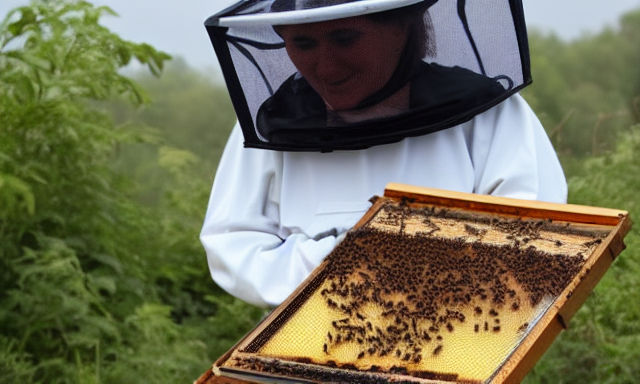
A healthy queen will produce a strong and consistent brood pattern. Regularly inspect the hive to ensure that the queen is laying eggs in a consistent pattern, with no gaps or missed cells. If you notice any irregularities in the brood pattern, such as missing cells or spotty brood, this may indicate a problem with the queen.
It’s important to take action quickly if you notice any issues with the brood pattern. This may involve requeening the hive or taking steps to address any underlying issues, such as pests or disease.
Provide Adequate Nutrition
Adequate nutrition is essential for a healthy queen and a productive hive. Bees need a diverse range of nutrients to thrive, including protein, carbohydrates, and vitamins. Ensure that the bees have access to a variety of food sources, including nectar and pollen, and consider supplementing their diet with sugar syrup or pollen patties if necessary.
It’s also important to ensure that the bees have access to clean water. Bees use water to regulate the temperature and humidity of the hive, and to dilute honey when feeding larvae. Place a source of clean water near the hive, such as a shallow dish filled with water and rocks for the bees to land on.
Requeen as Necessary
Even with the best care and management, queens will eventually decline in productivity as they age. It’s important to monitor the hive for signs that the queen’s productivity is declining, such as a decrease in the brood pattern or a decrease in honey production.
When it’s time to requeen, choose a young and healthy queen from a reputable supplier. This will help ensure that the hive continues to thrive and produce honey.
Manage Varroa Mite Infestations
Varroa mites are a common pest in beekeeping, and they can have a significant impact on the health and productivity of a hive. Varroa mites feed on the blood of bees, weakening them and making them more susceptible to disease.
Regularly monitor the hive for varroa mite infestations, and take action quickly if you notice any signs of infestation. This may involve treating the hive with chemical or non-chemical methods, such as using screened bottom boards, drone brood removal, or oxalic acid treatments. It’s important to note that some treatments can be harmful to the queen and her ability to lay eggs, so be sure to research and choose a treatment method that is safe for the queen and the rest of the hive.
Provide Adequate Ventilation
Proper ventilation is key to maintaining a healthy and productive hive. Without proper ventilation, the hive can become too hot and humid, which can lead to a decrease in honey production and an increase in pests and diseases.
To provide adequate ventilation, ensure that the hive has enough entrance space for air to flow in and out. You can also use a screened bottom board or add ventilation holes to the hive boxes. In addition, avoid placing the hive in direct sunlight or in a location where there is limited air flow.
Ensure Continuing Proper Nutrition
A queen’s ability to lay eggs and the overall productivity of the hive are heavily dependent on the availability of food sources. Be sure to provide your hive with a diverse and abundant supply of nectar and pollen by planting a variety of flowering plants and trees in the surrounding area.
In addition, consider supplementing the hive’s diet with sugar water or pollen patties during times of low nectar flow. This will help to ensure that the queen and her workers have access to the nutrients they need to produce honey and raise healthy brood.
Consider Requeening
If you notice a significant decrease in egg-laying or honey production despite implementing the above measures, it may be time to consider requeening your hive. This involves replacing the existing queen with a new, younger queen who is more productive and genetically diverse.
When selecting a new queen, look for a reputable breeder who specializes in producing healthy and productive queens. It’s also important to ensure that the new queen is compatible with the existing workers in the hive, as an incompatible queen can lead to aggression and disruption within the colony.
Maximizing your queen’s potential requires a combination of careful management practices, disease and pest control, proper ventilation, adequate nutrition, and the occasional requeening. By following these guidelines and staying vigilant in monitoring your hive’s health and productivity, you can help your queen to lay more eggs and produce more honey, leading to a thriving and successful beekeeping operation.