
Beekeeping, also known as apiculture, is the practice of maintaining bee colonies for the purpose of producing honey, beeswax, pollen, propolis, and royal jelly. This practice has been around for thousands of years and has become an important part of agriculture and food production. Beekeepers use various techniques to manage their hives, including feeding, disease control, and hive maintenance.
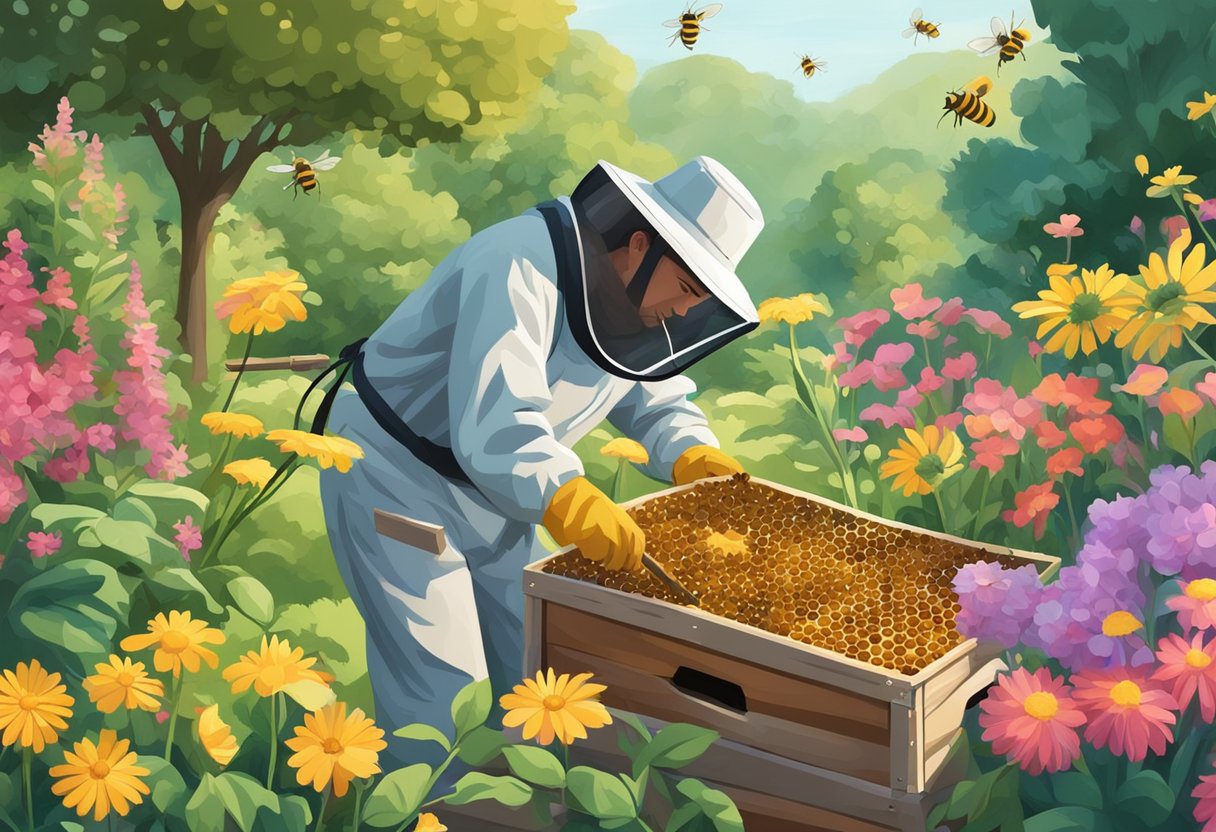
Apiculture is a fascinating field that requires knowledge of bee biology, behavior, and ecology. Beekeepers must also understand the different types of bees, such as honeybees, bumblebees, and solitary bees, and their roles in pollination. In addition to producing honey and other products, bees play a vital role in pollinating crops, making beekeeping an important part of food production.
Beekeeping has become increasingly popular in recent years, as more people become interested in sustainable agriculture, local food production, and the importance of pollinators. Beekeeping can be a rewarding hobby or a full-time profession, and it offers many benefits to both the bees and the beekeeper.
History of Beekeeping
Beekeeping, also known as apiculture, is the practice of maintaining honeybee colonies, usually in hives, by humans. The history of beekeeping can be traced back to ancient times.
Ancient Practices
The first recorded use of a beehive by humans lies in Egypt. The Temple of the Sun holds a manuscript that details beekeeping in artificial hives dating back to 2400 BCE. There are, however, cave drawings that depict honey harvesters going back nearly 10,000 years. Depictions of humans collecting honey from wild bees date back to 10,000 years ago.
In ancient Crete, beekeeping was an important industry. The Minoans used clay hives in which they kept bees for honey production. The practice of beekeeping was also widespread in ancient Greece and Rome. Roman writers like Virgil, Columella, Varro, and Gaius Julius Hyginus discussed beekeeping concepts.
Modern Developments
In the 19th century, Lorenzo Langstroth, an American clergyman, developed a hive that revolutionized beekeeping. His hive design allowed beekeepers to inspect the hive without harming the bees. Petro Prokopovych, a Ukrainian beekeeper, developed a hive that allowed bees to move freely inside the hive, which increased honey production.
Today, beekeeping is practiced worldwide, and it has become an important industry that provides honey, beeswax, royal jelly, and pollination services. Beekeeping has also become a popular hobby. The history of beekeeping continues to evolve as new technologies and practices are developed.
Bee Biology and Behavior
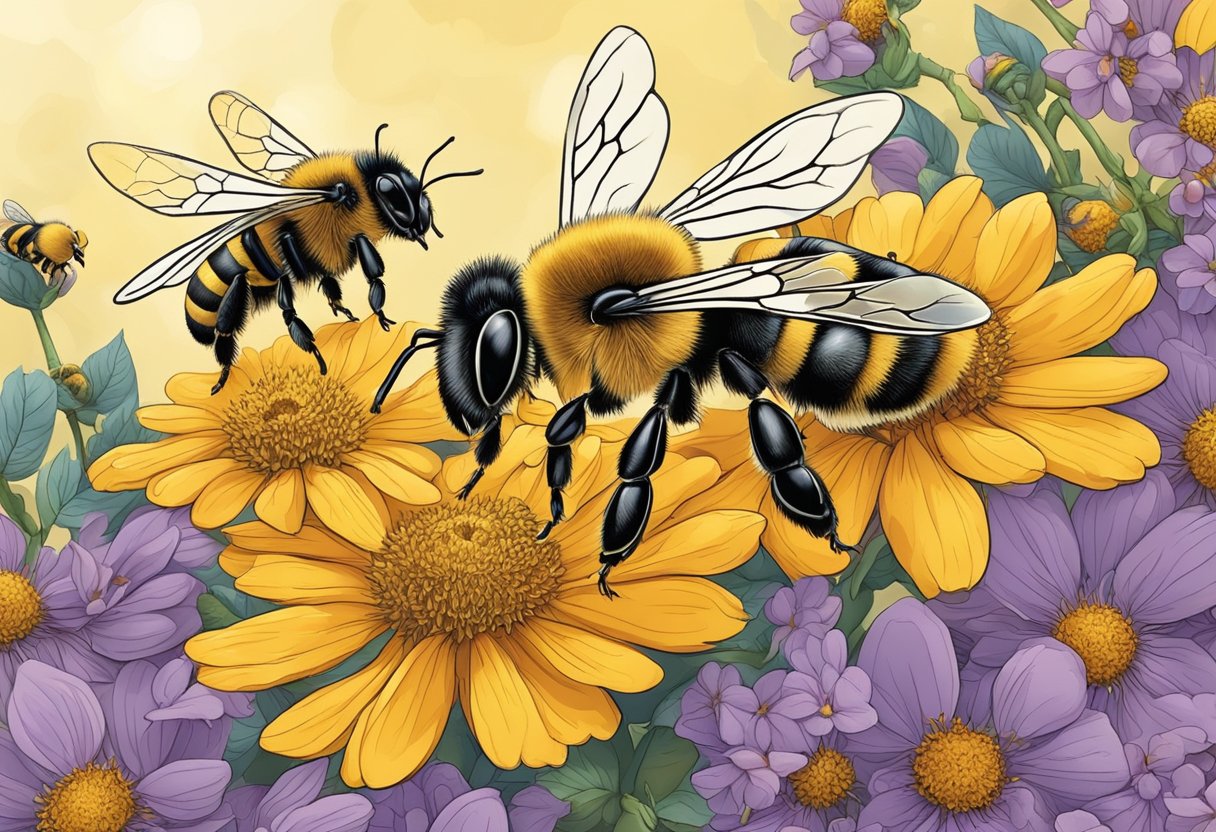
Beekeeping, also known as apiculture, is the practice of maintaining bee colonies, primarily for the purpose of collecting their honey and other products or services. To be a successful beekeeper, it is essential to have a basic understanding of bee biology and behavior.
Life Cycle of Honeybees
Honeybees, also known as Apis mellifera, go through a complete metamorphosis. The life cycle of a honeybee starts with an egg, which is laid by the queen bee in a cell of the comb. The egg hatches into a larva, which is fed by worker bees. The larva then goes through several stages of growth and development before spinning a cocoon and pupating. After pupation, the adult bee emerges from the cocoon and begins its life as a worker bee, drone, or queen bee.
Social Structure of Bee Colonies
Bee colonies are highly organized societies with a hierarchical social structure. The queen bee is the mother of all the bees in the colony and is responsible for laying eggs. The worker bees are female bees that perform a variety of tasks, such as collecting nectar and pollen, caring for the brood, and building and maintaining the hive. Drones are male bees whose sole purpose is to mate with the queen bee.
Communication and Navigation
Bees have a complex system of communication and navigation that allows them to work together effectively. They use a variety of signals, such as pheromones and dances, to communicate with each other about the location of food sources and the condition of the hive. Bees also use the position of the sun and landmarks to navigate to and from the hive.
In addition to honey, beeswax, propolis, and royal jelly are other products that can be harvested from bee colonies. Beekeeping can be a rewarding and fascinating hobby for those interested in bee biology and behavior.
Beekeeping Essentials
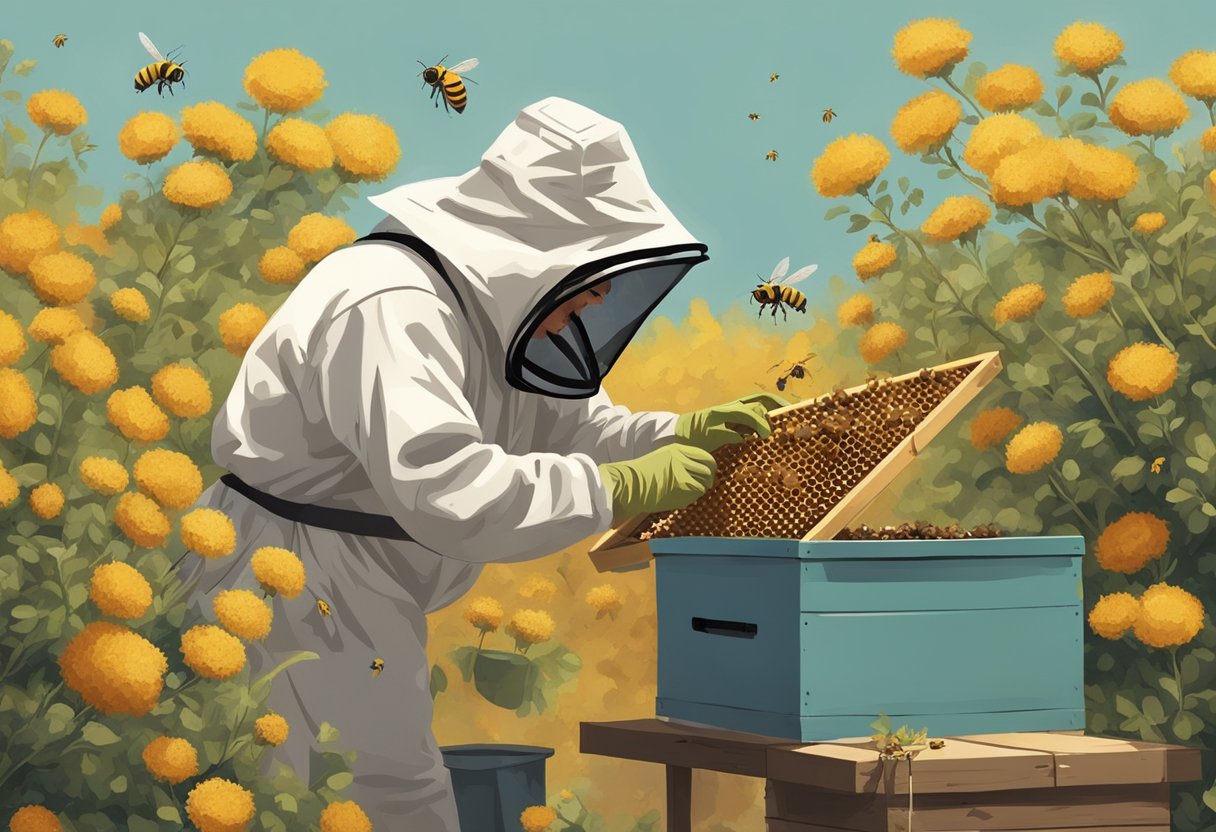
Beekeeping, also known as apiculture, is the practice of maintaining bee colonies for their honey, beeswax, royal jelly, and pollination services. Beekeeping is an engaging hobby that requires a bit of knowledge and investment in equipment. In this section, we will discuss some of the essential components of beekeeping.
Understanding the Hive
The hive is the central structure of a bee colony, and it is where the bees live, breed, and store their food. A typical hive consists of several layers of wooden boxes stacked on top of each other, each containing frames of honeycomb. The bottom box is the brood chamber, where the queen bee lays her eggs and the young bees develop. The upper boxes are the honey supers, where the bees store their honey.
Beekeeping Equipment
Beekeeping requires some specialized equipment to manage the hives, extract honey, and protect the beekeeper. Some of the essential equipment includes:
- Protective gear: Beekeepers should wear protective clothing, including a hat, veil, gloves, and a bee suit to protect against bee stings.
- Smoker: A smoker is used to calm the bees and make them less aggressive during hive inspections.
- Hive tool: A hive tool is used to pry open the hive, separate the frames, and scrape off excess wax and propolis.
- Extractor: An extractor is used to remove honey from the comb.
Starting a Bee Colony
Starting a bee colony requires a bit of planning and investment. Some of the things to consider include:
- Equipment: You will need to purchase or build your hive, frames, and other equipment.
- Location: Bees need access to water, nectar, and pollen, so choose a location with plenty of flowering plants.
- Package bees: You can purchase a package of bees, which includes a queen and several thousand worker bees, to start your colony.
- Management: Beekeeping requires regular inspections of the hive to ensure the health and productivity of the colony.
Beekeeping is a rewarding hobby that provides delicious honey and helps pollinate plants. With the right equipment and knowledge, anyone can start their bee colony and enjoy the benefits of beekeeping.
Beekeeping Practices
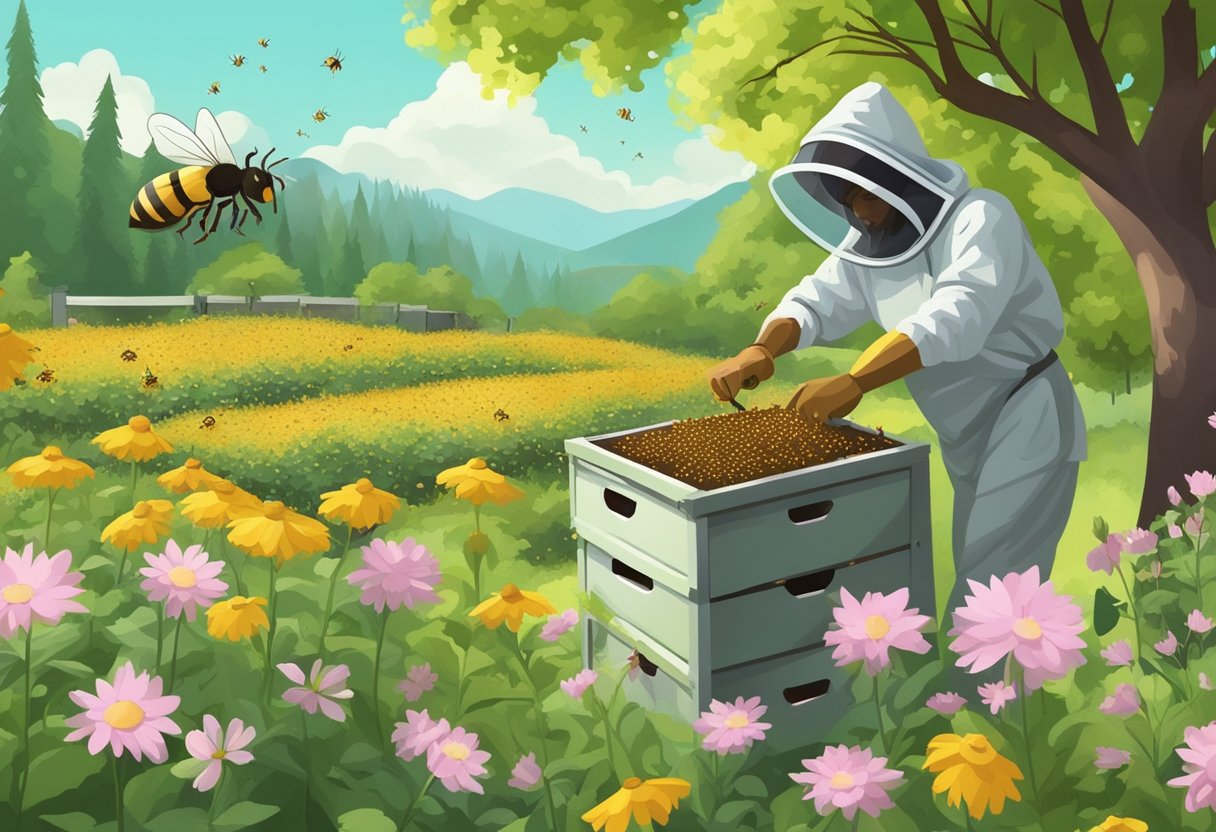
Beekeeping, also known as apiculture, is the practice of maintaining honey bee colonies for honey production, pollination, and other purposes. Successful beekeeping practices require proper management of the bee colonies, honey harvesting techniques, and pests and diseases management.
Managing Bee Colonies
Managing bee colonies involves several practices that help maintain the health and productivity of the honeybee colonies. These practices include regular inspection of the bee colonies, feeding the bees when necessary, and breeding new honeybee colonies.
Beekeepers must ensure that the honeybee colonies have enough food to sustain them during the winter season. To achieve this, beekeepers can feed the bees with sugar syrup or pollen patties.
Breeding new honeybee colonies is also essential in maintaining a healthy and productive bee colony. Beekeepers can use various techniques such as splitting the colony or introducing a new queen bee to create new colonies.
Honey Harvesting Techniques
Honey harvesting techniques involve the collection and processing of honey from the honeybee colonies. Beekeepers use various tools such as honey extractors, bee brushes, and queen catchers to collect honey from the honeybee colonies.
Beekeepers must ensure that they harvest honey at the right time to prevent honeybee colonies from starving during the winter season.
Pests and Diseases Management
Beekeeping practices require proper management of pests and diseases that affect honeybee colonies. Common pests that affect honeybee colonies include varroa mites, wax moths, and small hive beetles.
Beekeepers can use various techniques such as chemical treatments and physical methods to control pests and diseases. It is essential to ensure that the methods used to manage pests and diseases do not harm the honeybee colonies or the quality of the honey produced.
In conclusion, beekeeping practices require proper management of the honeybee colonies, honey harvesting techniques, and pests and diseases management. With the right techniques and tools, beekeepers can maintain healthy and productive honeybee colonies for honey production and pollination.
The Role of Beekeeping in Ecology
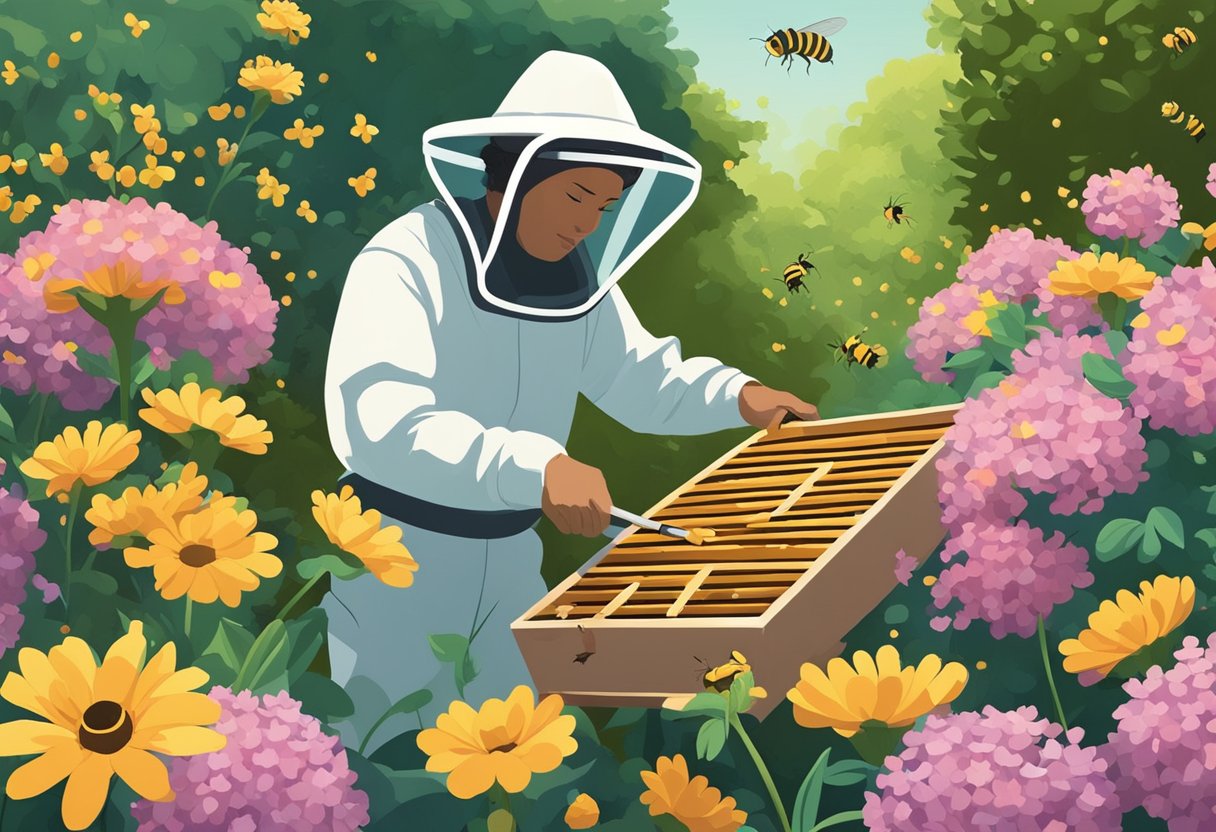
Beekeeping, or apiculture, plays a crucial role in maintaining a balanced ecosystem. The practice of beekeeping contributes to the environment in a number of ways, including pollination, biodiversity, and honey production. In this section, we will explore the role of beekeeping in ecology, including its impact on pollination and biodiversity, as well as the challenges and conservation efforts associated with beekeeping.
Pollination and Biodiversity
Pollination is the process by which pollen from the male part of a flower is transferred to the female part of the same or another flower, resulting in fertilization and the production of seeds. Bees are one of the most important pollinators in the world, and beekeeping helps to ensure that plants receive the necessary pollination for their survival. Honeybees, in particular, are responsible for pollinating a wide variety of food crops, including almonds, apples, blueberries, and cucumbers.
Beekeeping also contributes to biodiversity by providing habitat for bees and other pollinators. Backyard beekeeping, in particular, can help to support local populations of bees and other insects, which can in turn support the health of local ecosystems.
Challenges and Conservation Efforts
Beekeeping is not without its challenges. One of the biggest challenges facing beekeepers today is the spread of bee diseases, which can have a devastating impact on honeybee colonies. In recent years, a number of conservation efforts have been launched to help protect honeybees and other pollinators. These efforts include the creation of bee-friendly habitats, the use of natural pest management techniques, and the development of disease-resistant strains of bees.
In conclusion, beekeeping plays a vital role in maintaining a healthy and balanced ecosystem. By supporting pollination and biodiversity, beekeeping helps to ensure the survival of plant and animal species around the world. While beekeeping is not without its challenges, conservation efforts are underway to help protect honeybees and other pollinators for generations to come.
Beekeeping as a Business
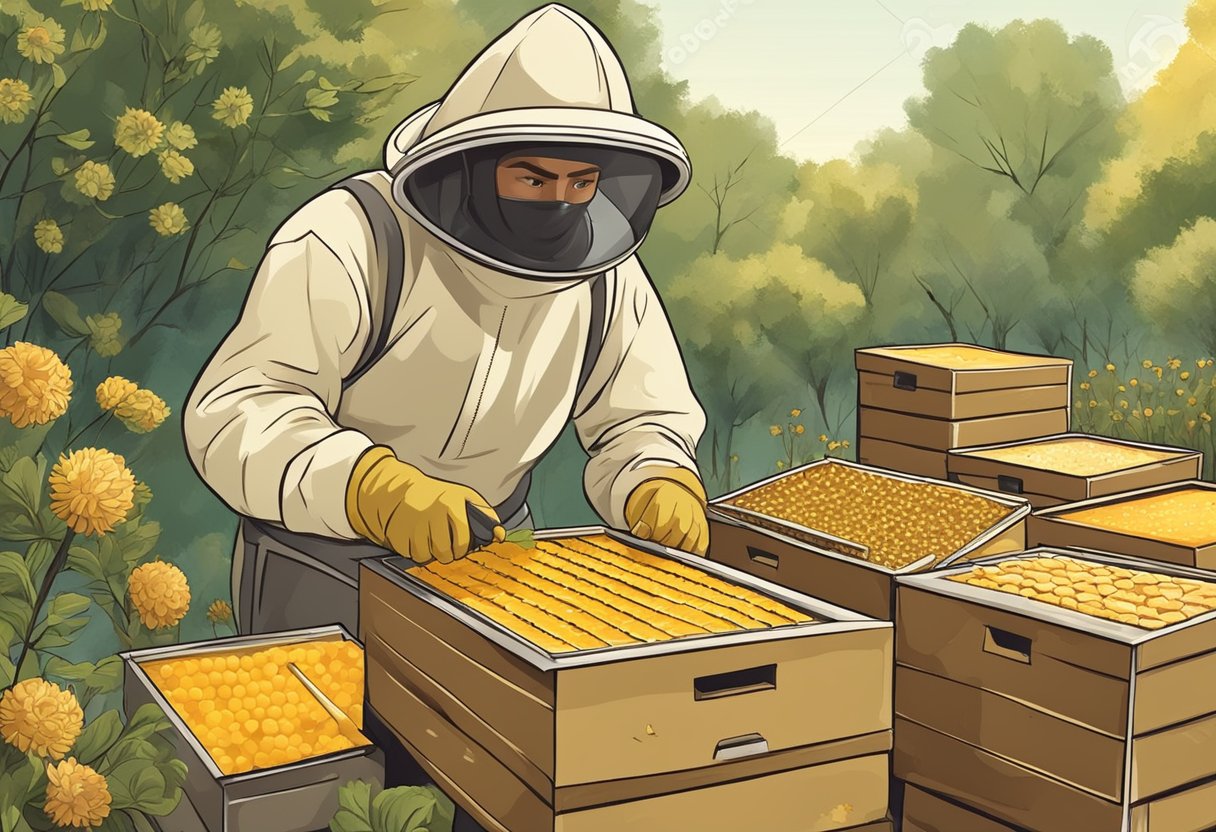
Beekeeping can be a fulfilling and profitable business for those who are passionate about it. Commercial beekeeping involves managing large numbers of hives and producing honey and other bee products on a large scale. Hobbyist beekeeping, on the other hand, is a smaller-scale operation that is often done for personal enjoyment.
Commercial vs. Hobbyist Beekeeping
Commercial beekeeping is a highly productive business that involves managing hundreds or even thousands of hives. Commercial beekeepers focus on maximizing honey production and other bee products such as beeswax, propolis, and royal jelly. They often transport their hives to different locations to pollinate crops and produce honey.
Hobbyist beekeeping is a smaller operation that is often done for personal enjoyment. Hobby beekeepers usually have a few hives and focus on producing honey for personal consumption or to sell at local farmers’ markets.
Marketing and Selling Honey
Marketing and selling honey is an essential part of beekeeping as a business. Commercial beekeepers often sell their honey in bulk to food manufacturers, while hobbyist beekeepers usually sell their honey directly to consumers at local farmers’ markets or online.
To market and sell honey effectively, beekeepers need to understand their target audience and develop a brand that appeals to them. They also need to comply with local and state regulations regarding labeling and packaging.
Economic Impact
Beekeeping has a significant economic impact on agriculture and food production. Honeybees are responsible for pollinating a wide variety of crops, including almonds, apples, blueberries, and cherries. According to one source, honeybees contribute $15 billion annually to the U.S. economy.
Commercial beekeeping is an important industry that provides jobs and supports local economies. It also plays a vital role in maintaining the health of bee populations and ensuring the continued pollination of crops.
In conclusion, beekeeping as a business can be a fulfilling and profitable venture for those who are passionate about it. Whether you are a commercial or hobbyist beekeeper, marketing and selling honey effectively is essential to the success of your business. Beekeeping also has a significant economic impact on agriculture and food production, making it an important industry to support.
Cultural Significance of Beekeeping
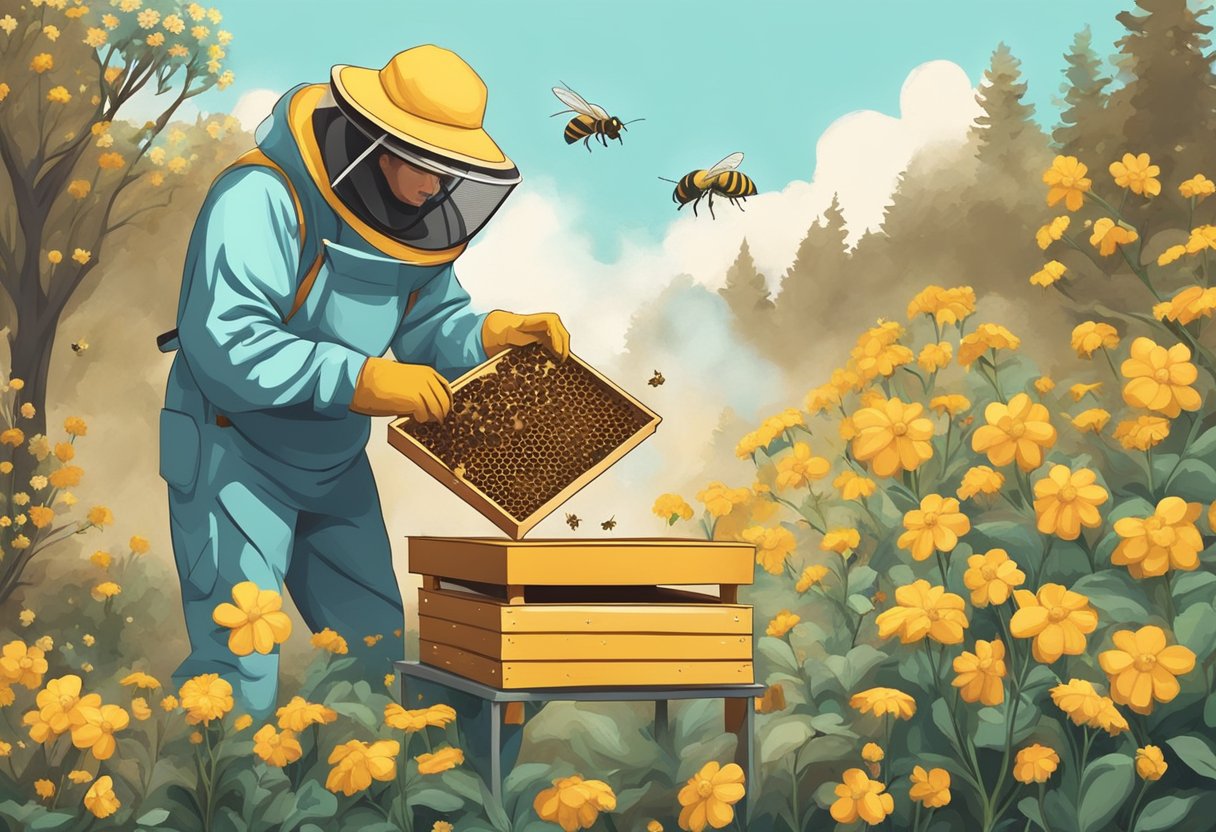
Beekeeping has been an important part of human culture for thousands of years. It has been depicted in art, literature, and mythology across many different cultures. Here are some examples of the cultural significance of beekeeping.
Beekeeping in Art and Literature
Beekeeping has been depicted in art for thousands of years. In ancient Egyptian art, bees were often depicted as symbols of royalty and power. In the Middle Ages, bees were a popular motif in Christian art, representing the virtues of industry and cooperation.
Beekeeping has also been the subject of many works of literature. The Roman poet Virgil wrote about beekeeping in his poem “Georgics,” which was written in the 1st century BCE. The Roman writer Columella also wrote about beekeeping in his agricultural treatise “De Re Rustica,” which was written in the 1st century CE.
Symbolism and Traditions
Bees have been used as symbols of many different things in different cultures. In ancient Greece, bees were associated with the goddess Artemis, who was often depicted with a bee. In Hinduism, bees are associated with the god Vishnu.
In many cultures, honey is considered a sacred food. In ancient Crete, honey was used in religious rituals. In Judaism, honey is traditionally eaten on Rosh Hashanah, the Jewish New Year, as a symbol of a sweet new year.
Beekeeping has also been the subject of many traditions and superstitions. In some cultures, it is believed that bees will leave a hive if the keeper dies. In others, it is believed that a swarm of bees is a sign of good luck.
Overall, beekeeping has played an important role in human culture for thousands of years. It has been depicted in art and literature, and has been the subject of many traditions and superstitions.
Frequently Asked Questions
What is the formal term for the practice of beekeeping?
Beekeeping, also known as apiculture, is the practice of managing honey bee colonies in hives for the purpose of collecting honey, beeswax, and other products of the hive, such as propolis and royal jelly. It also includes breeding and raising queen bees and the management of colonies to ensure their health and productivity.
What are the essential tools and equipment used in beekeeping?
Beekeeping requires a variety of specialized tools and equipment. Some of the essential tools include a smoker, hive tool, bee brush, and protective gear such as a bee suit, veil, and gloves. The hive itself is also a critical piece of equipment and can be made of wood, plastic, or other materials.
Can you explain the significance of beekeeping in agriculture?
Beekeeping plays a crucial role in agriculture by providing pollination services to crops. Honey bees are responsible for pollinating a wide variety of crops, including fruits, vegetables, and nuts. Without bees, many crops would not be able to produce fruit or seeds, leading to significant economic and environmental impacts.
What historical developments have shaped modern apiculture?
The practice of beekeeping has a long and rich history dating back thousands of years. Ancient civilizations such as the Egyptians and Greeks kept bees for their honey and wax, and modern apiculture has been shaped by advances in technology, breeding, and management practices.
Could you describe the different methods of apiculture?
There are several different methods of apiculture, including traditional methods such as skep beekeeping and modern methods such as Langstroth hive beekeeping. Each method has its own advantages and disadvantages, and beekeepers must choose the method that best suits their needs and goals.
What are the scientific principles behind the practice of beekeeping?
Beekeeping is based on a deep understanding of the behavior, biology, and ecology of honey bees. Successful beekeeping requires knowledge of topics such as bee anatomy, colony dynamics, and pest and disease management. Beekeepers must also be familiar with the latest research and best practices in the field to ensure the health and productivity of their colonies.